 0832476286
 Facebook
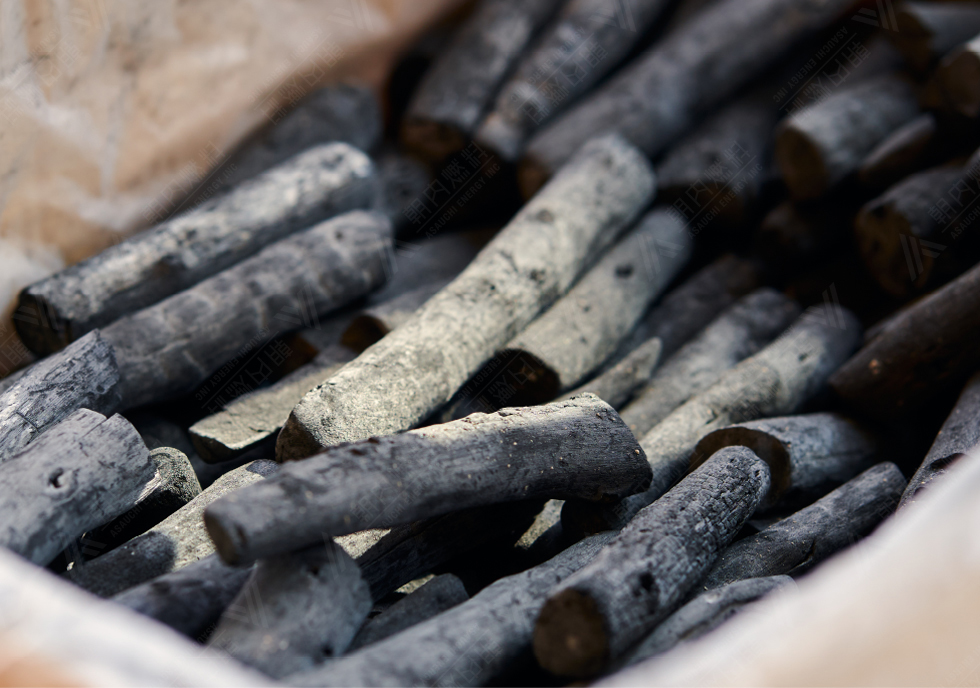
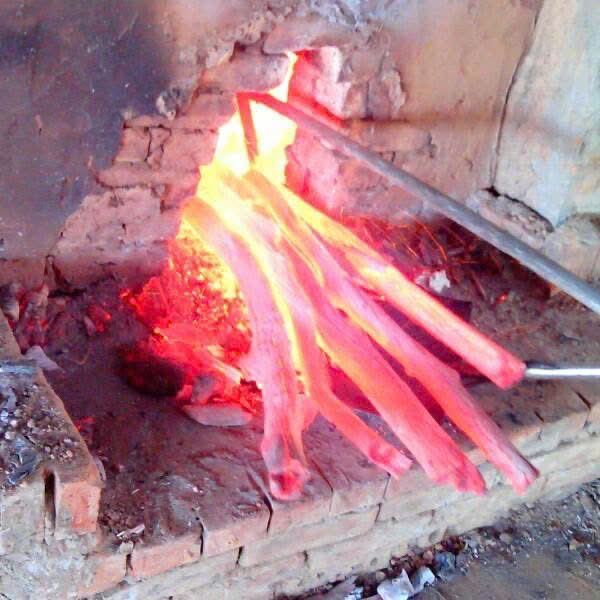
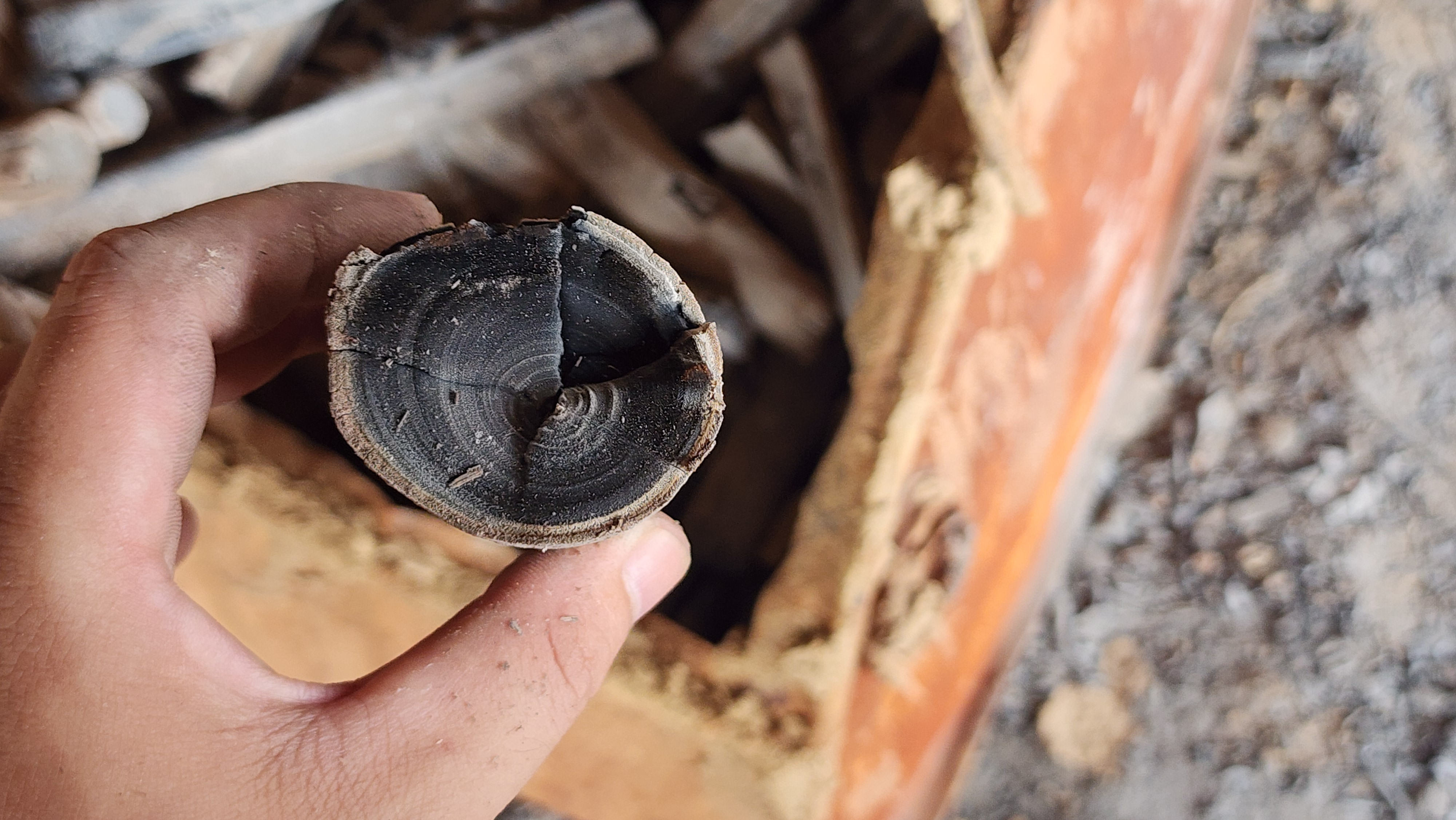
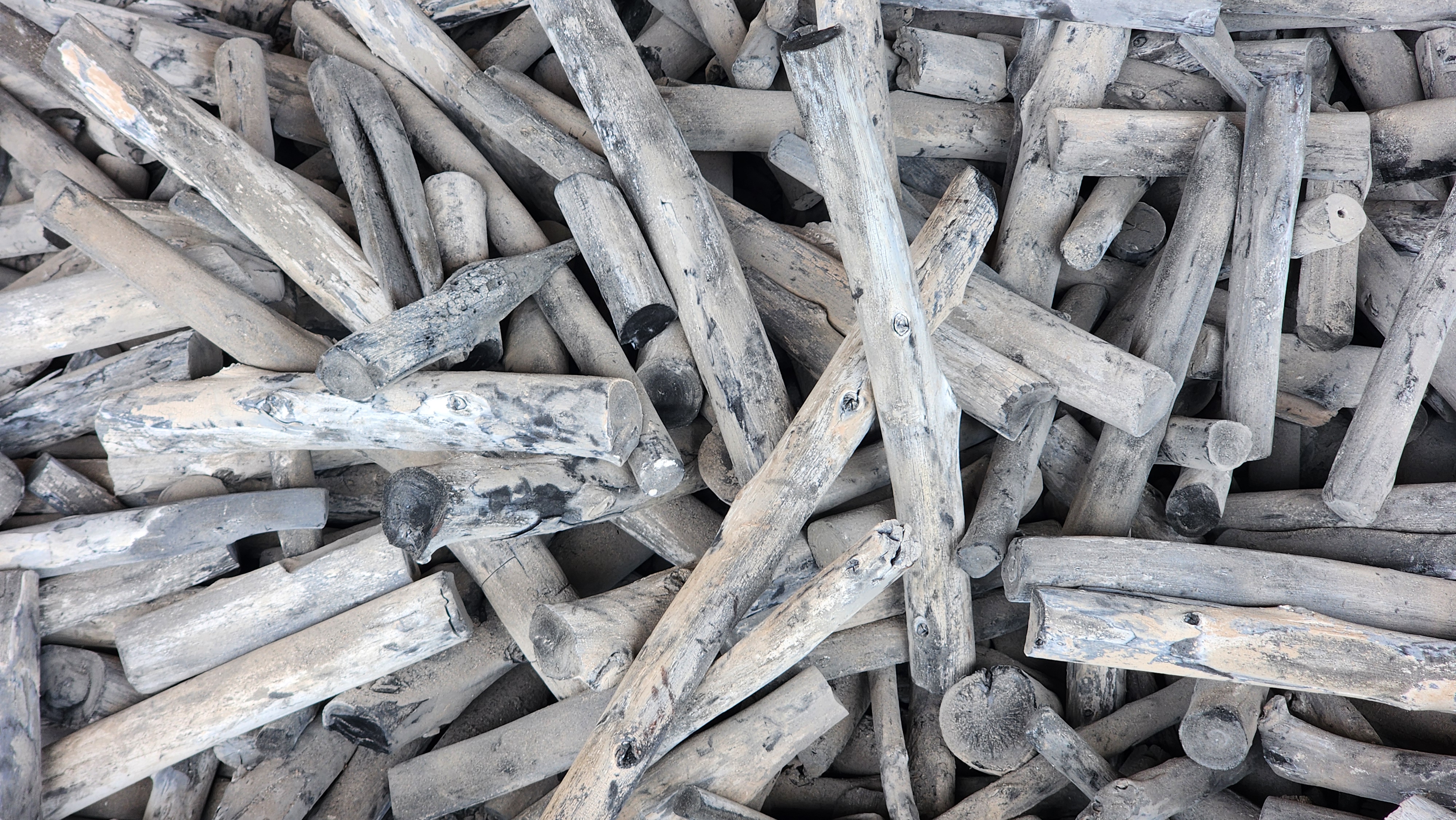
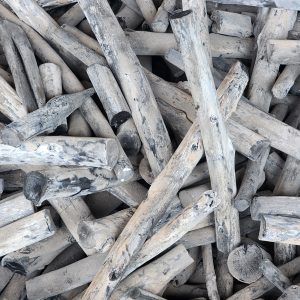
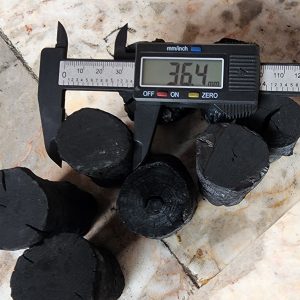
1. Premium BBQ Grilling Charcoal
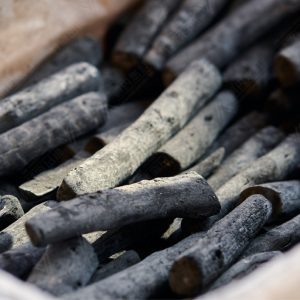
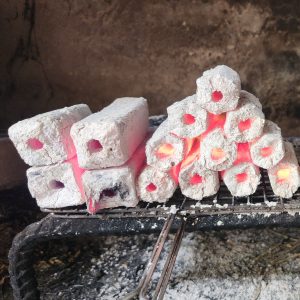
The heat released from 1 kg of white charcoal made from longan, lychee, or eucalyptus wood ranges from 8000 – 8500 kcal/kg, which is about 1.2–1.3 times higher than sawdust charcoal. This high heat output allows meat to cook evenly inside without burning the outside. Of course, the grill height, meat thickness, and turning frequency must also be properly adjusted for best results.
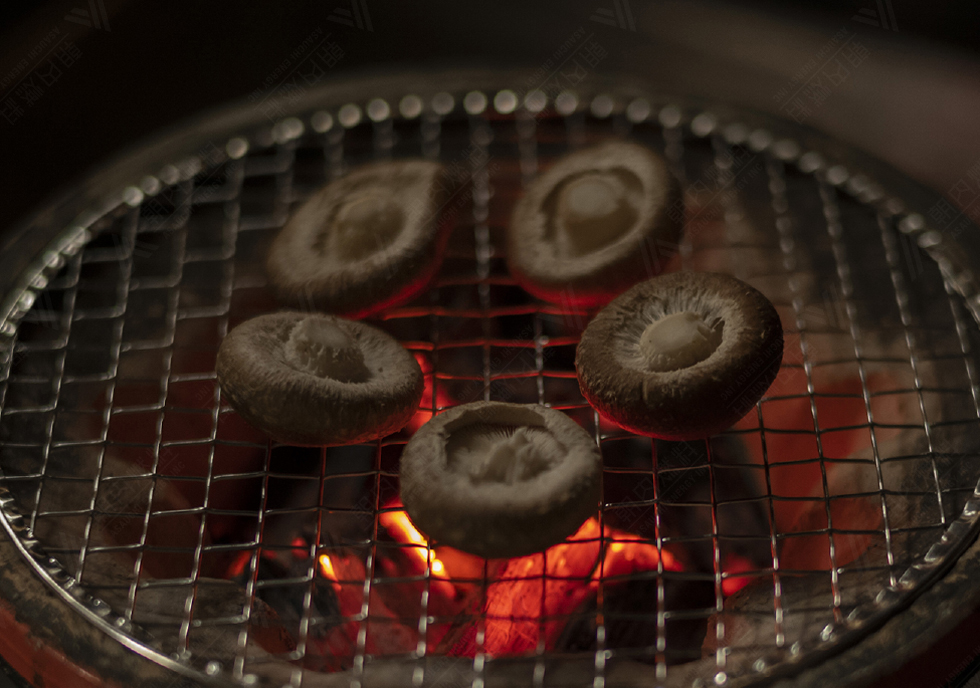
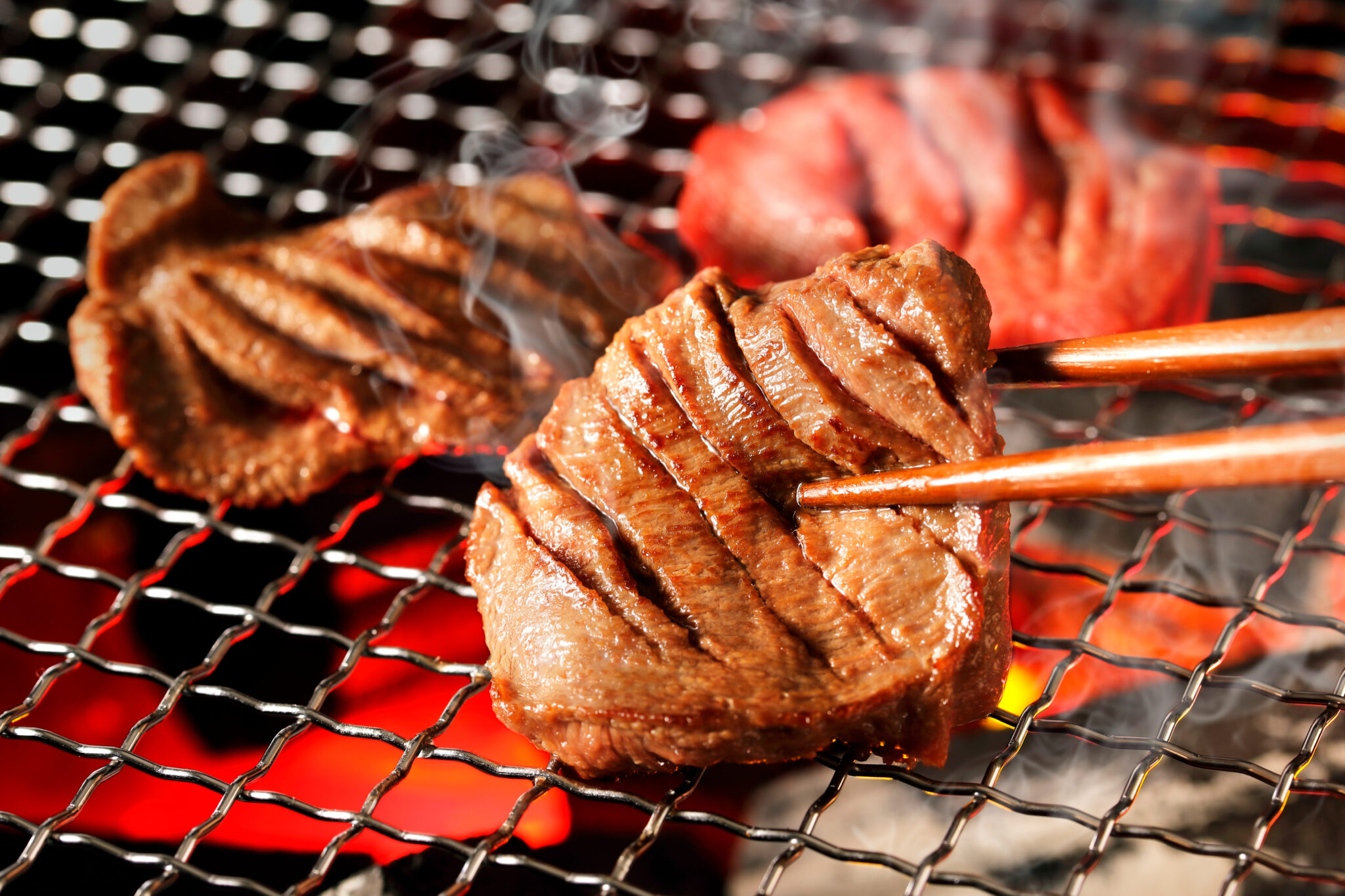
Advantages of Binchotan White Charcoal for BBQ Grilling:
- Long burning time and consistent heat (average 180 minutes depending on conditions and airflow);
- No sparks, no smoke, and odor-free burning;
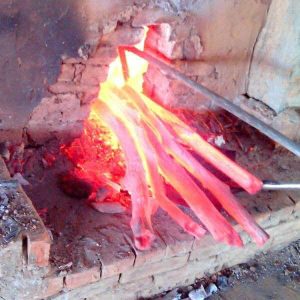
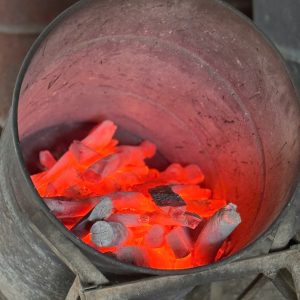
- High calorific value: > 8000 kcal/kg. When glowing red, it emits infrared radiation that cooks food evenly from the inside out — creating a crispy surface while keeping the interior juicy and flavorful;
- Normal burning temperature: 700–800°C; can reach 850–950°C with airflow or fan assistance;
- Produces almost no ash after grilling, making cleanup easy (ash content < 3%).
- Store Binchotan white charcoal in a dry place, away from humidity and electrical sources.
- Do not use Binchotan charcoal in microwave ovens.
- Keep away from high heat sources.
- After opening, reseal tightly. If popping or cracking occurs, it means the charcoal has absorbed moisture due to improper sealing.
2. Water Purification
Due to its highly porous structure and microscopic capillary channels, white charcoal effectively adsorbs impurities, chemicals, heavy metals, and unpleasant odors from water. When immersed, it also releases beneficial minerals, acting like a natural micro water filter.
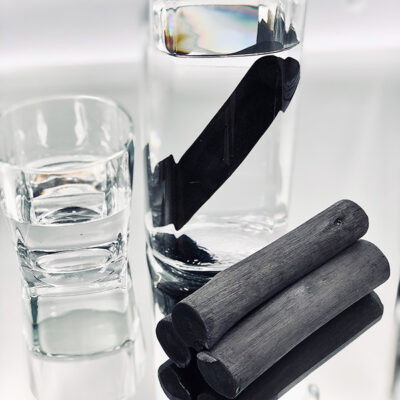
Water filtered with white charcoal tastes noticeably cleaner and softer than water processed by machines. It is especially suitable for people with sensitive skin. Simply place 100–150g of charcoal in a 1-liter water jug and leave overnight — you’ll have fresh mineral water the next day.
You can also place a piece of white charcoal in the freezer to make clearer, tastier ice.
3. Cooking Rice
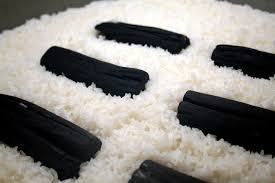
Add 1–2 pieces (50–100g) of Binchotan charcoal to the rice cooker. The rice will become softer, more fragrant, and lose the musty smell of bran.
Placing a piece of charcoal in your rice container helps prevent mold and pests such as rice weevils.
4. Odor and Moisture Removal
Place 100–500g of white charcoal in your refrigerator’s vegetable compartment — the negative ions released help prevent oxidation and keep fruits and vegetables fresh longer.
Similarly, placing it in a shoe cabinet helps remove odor and bacteria. After about a month, reactivate the charcoal by drying it under the sun or heating gently for 10 minutes, then reuse up to two more times. Finally, you can crush and mix it with soil to help retain moisture for plants.
5. Absorbing Electromagnetic Radiation
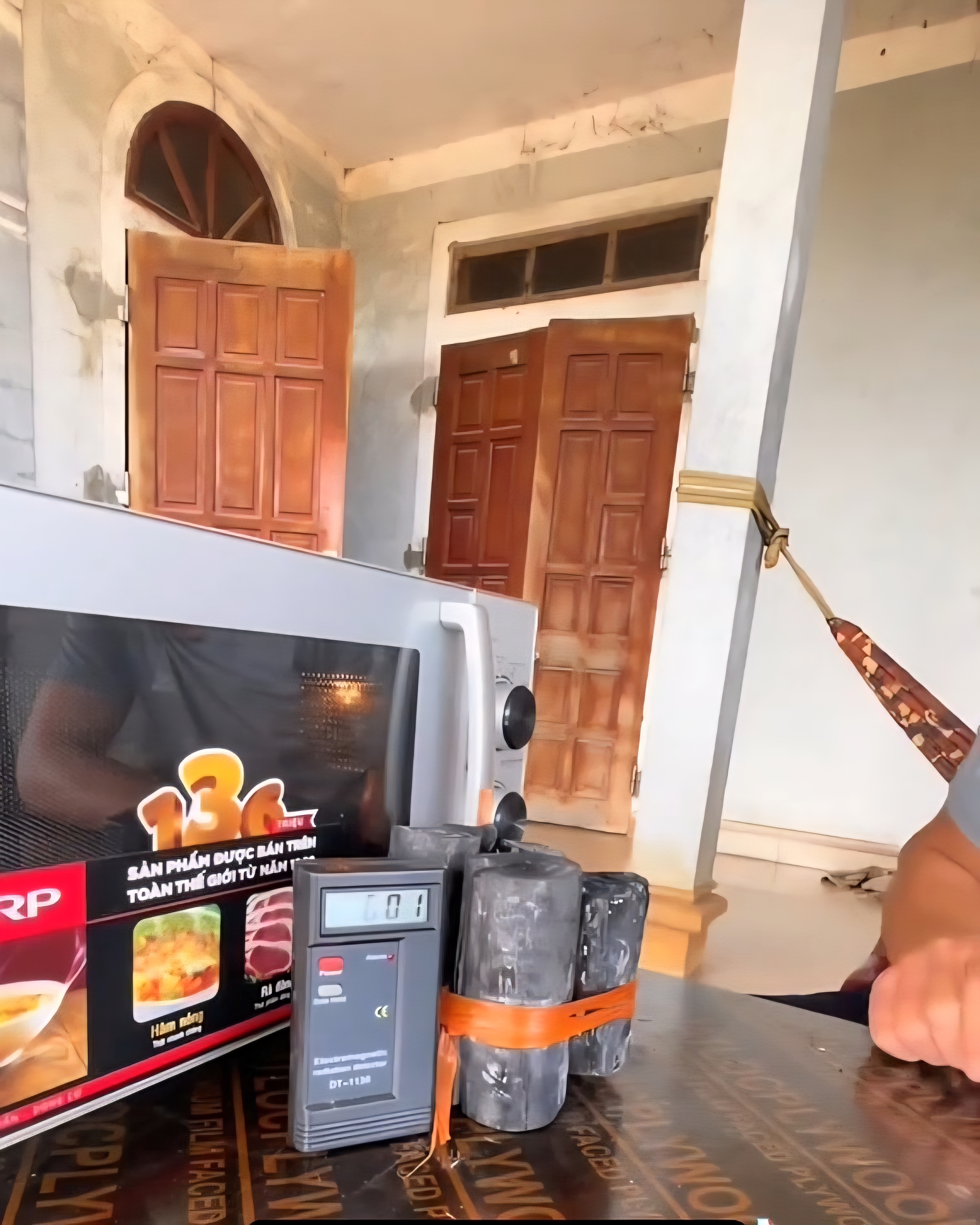
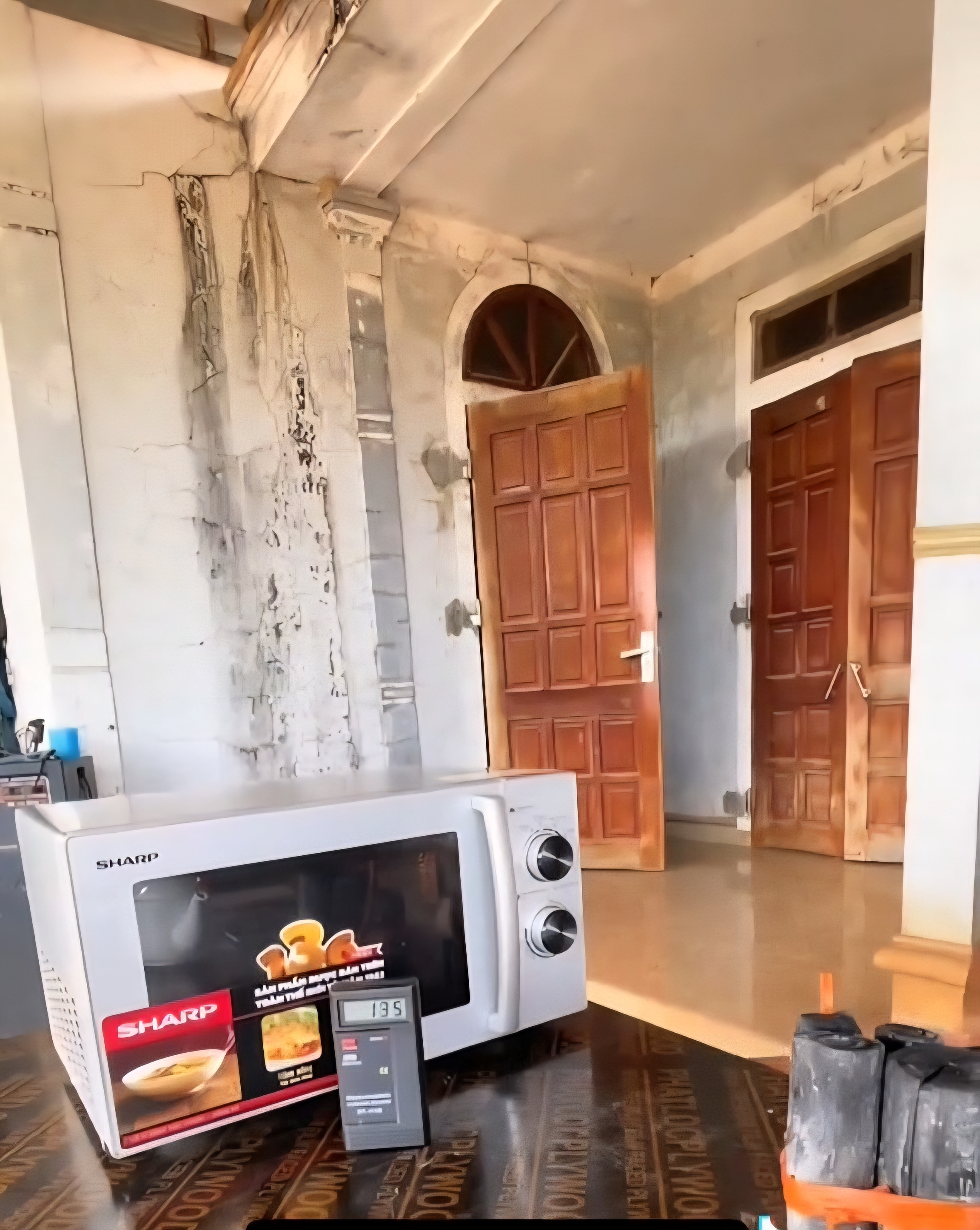
White charcoal can absorb harmful electromagnetic waves, helping protect your health — especially for those who use computers for long hours. Placing pieces near computers or screens helps reduce eye strain and fatigue.
6. Moisture Absorption and Mold Prevention
Thanks to its antibacterial properties, white charcoal can replace perches for birds — helping trim claws while keeping the area deodorized and germ-free.
Place around 10 kg of white charcoal in a 25m² room to absorb humidity and purify the air with negative ions.
During house construction, spreading 50–100 kg of charcoal beneath the floor or in corners can help prevent mold, termites, mites, and dampness.
Its far-infrared radiation also keeps homes warmer in winter, cooler in summer, and dry during the rainy season.
Characteristics of White Charcoal:
- Completely smokeless, odorless, and non-explosive (safe for use indoors, air-conditioned rooms, and restaurants);
- Total heat: 8,000 kcal/kg;
- Moisture content: 3%;
- Fixed carbon: 91%;
- Ash content: 2.5%;
- Sulfur (S): 0.01%;
- Burning time: 3.5 – 4.5 hours.
Production Technology
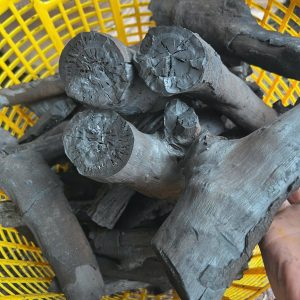
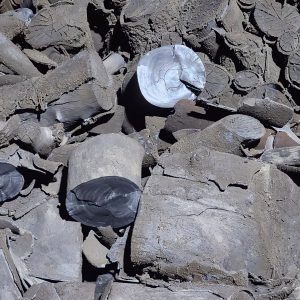
The production process of white charcoal is much more complex than regular black charcoal.
-
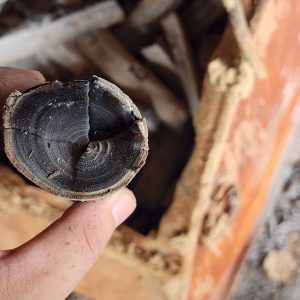
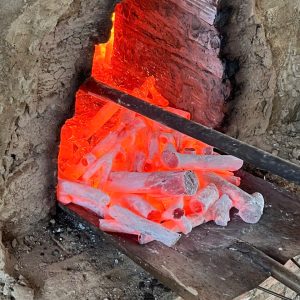
Wood logs are stacked vertically inside the kiln and heated at 80–100°C to dry completely.
Next, the temperature is gradually increased to remove resin and decompose the wood structure, hardening it and turning it black. - The kiln temperature is then raised to around 1200°C, breaking down the wood structure further and releasing gases such as methane.
- Finally, the charcoal is raked out into steel drums or covered with sand and ash to cool completely — at which point Binchotan is ready for packaging.
To learn more about the production technology, please visit
details here: Binchotan White Charcoal Production Technology.
Applications of White and Activated Charcoal in Water Filtration
Korean Size Standards for White Charcoal:
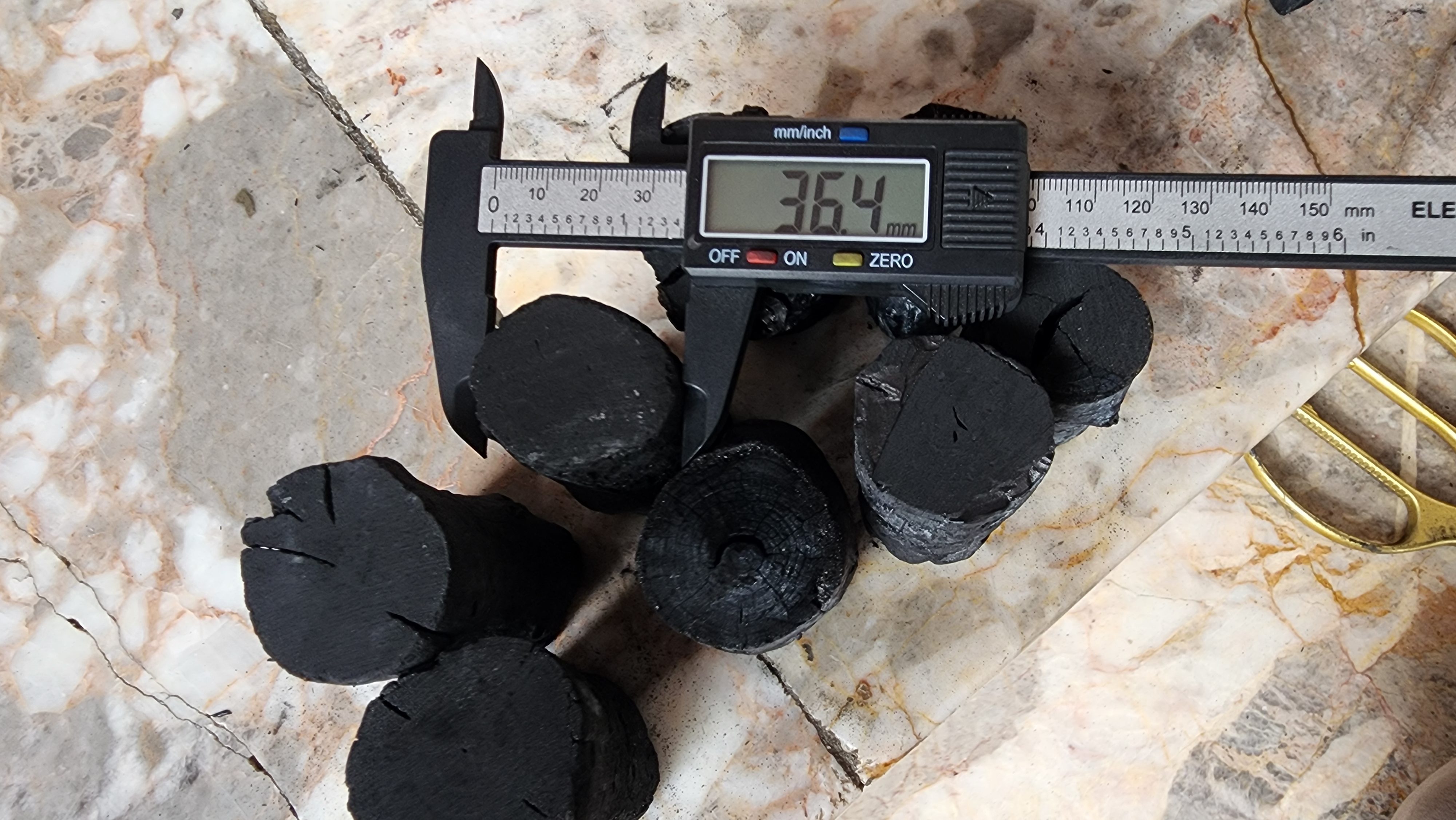
- Size S: length 2–4 cm, diameter 2–3.5 cm
- Size M: length 6–8 cm, diameter 3–5 cm
- Size L: length > 8 cm, diameter 4.5–6 cm
Japanese Size Standards for White Charcoal:
- Size S: length 7–10 cm, diameter 2–6 cm
- Size M: length 11–19 cm, diameter 2–6 cm
- Size L: length 20–27 cm, diameter 2–6 cm
Packaging Specifications
- Carton boxes designed to customer requirements: 2kg, 5kg, 10kg, 15kg (3 or 5-layer corrugated);
- Inner PE bags for moisture protection;
- Net loading: 10MT / 20DC container, 21.5MT / 40HQ container.
⚠️ Caution:
As white charcoal easily absorbs moisture, it must be stored in sealed plastic bags in a dry area, away from fire or heat. Do not use in microwave ovens.



Reviews
There are no reviews yet.