 0832476286
 Facebook
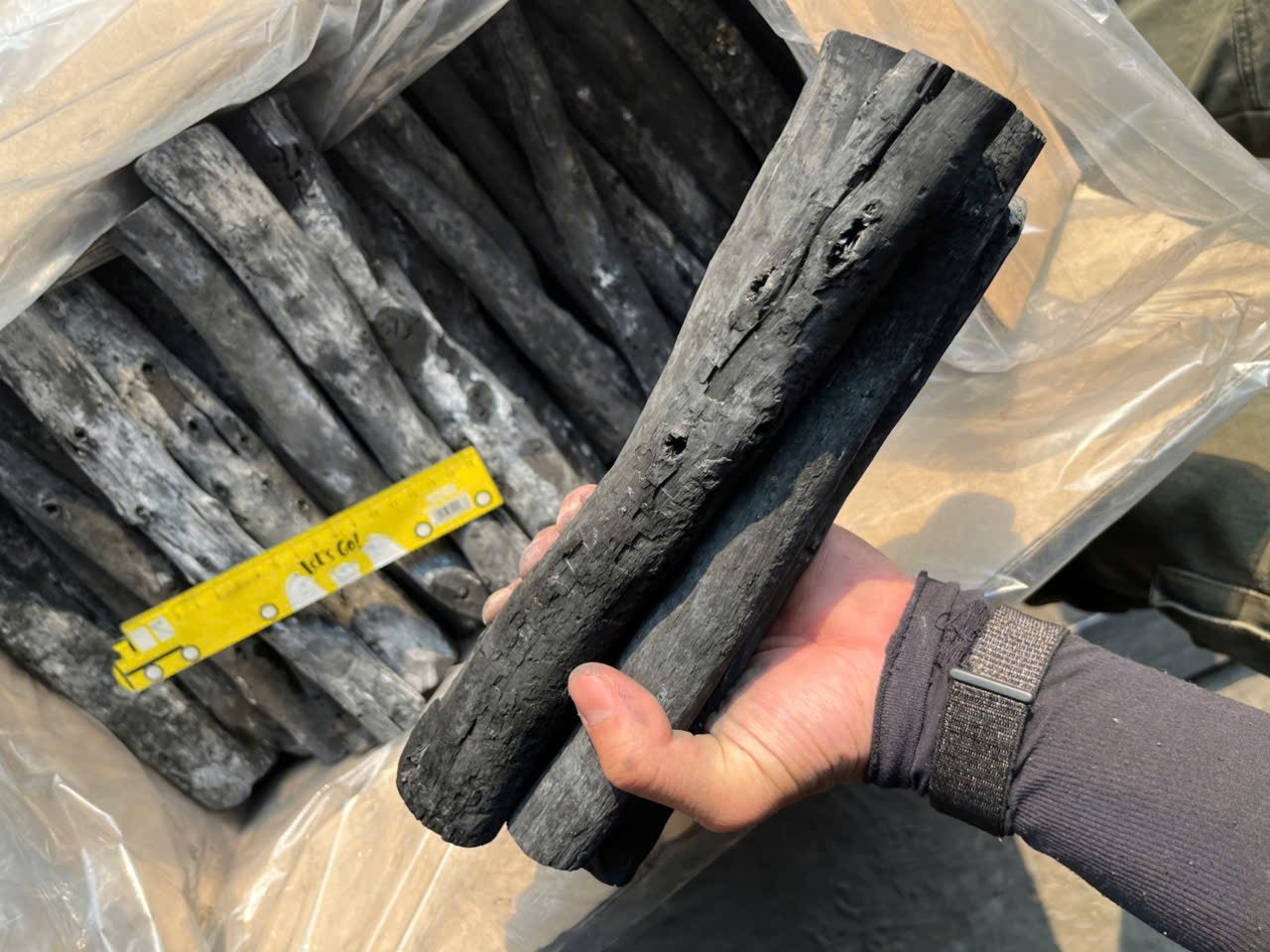
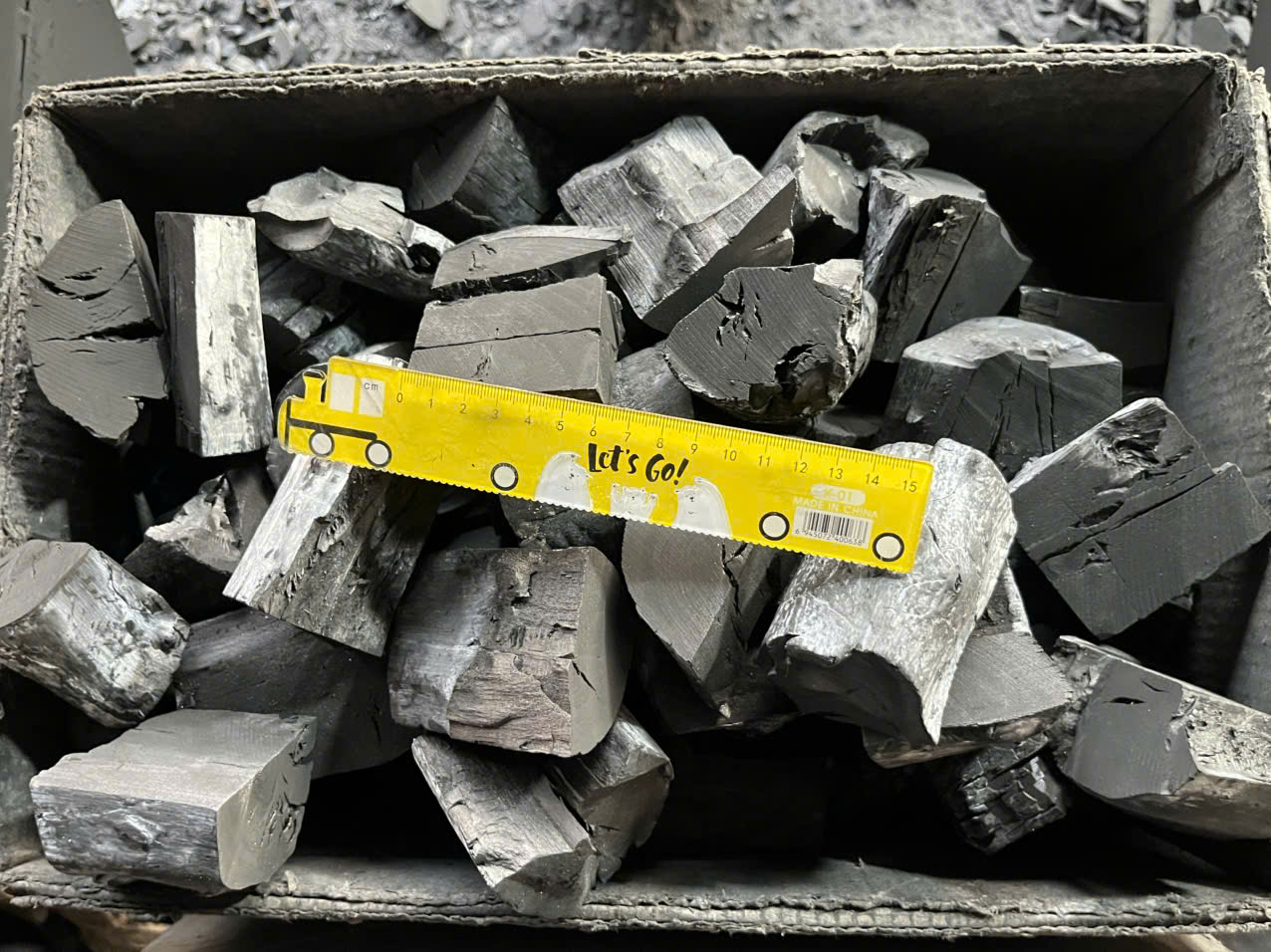
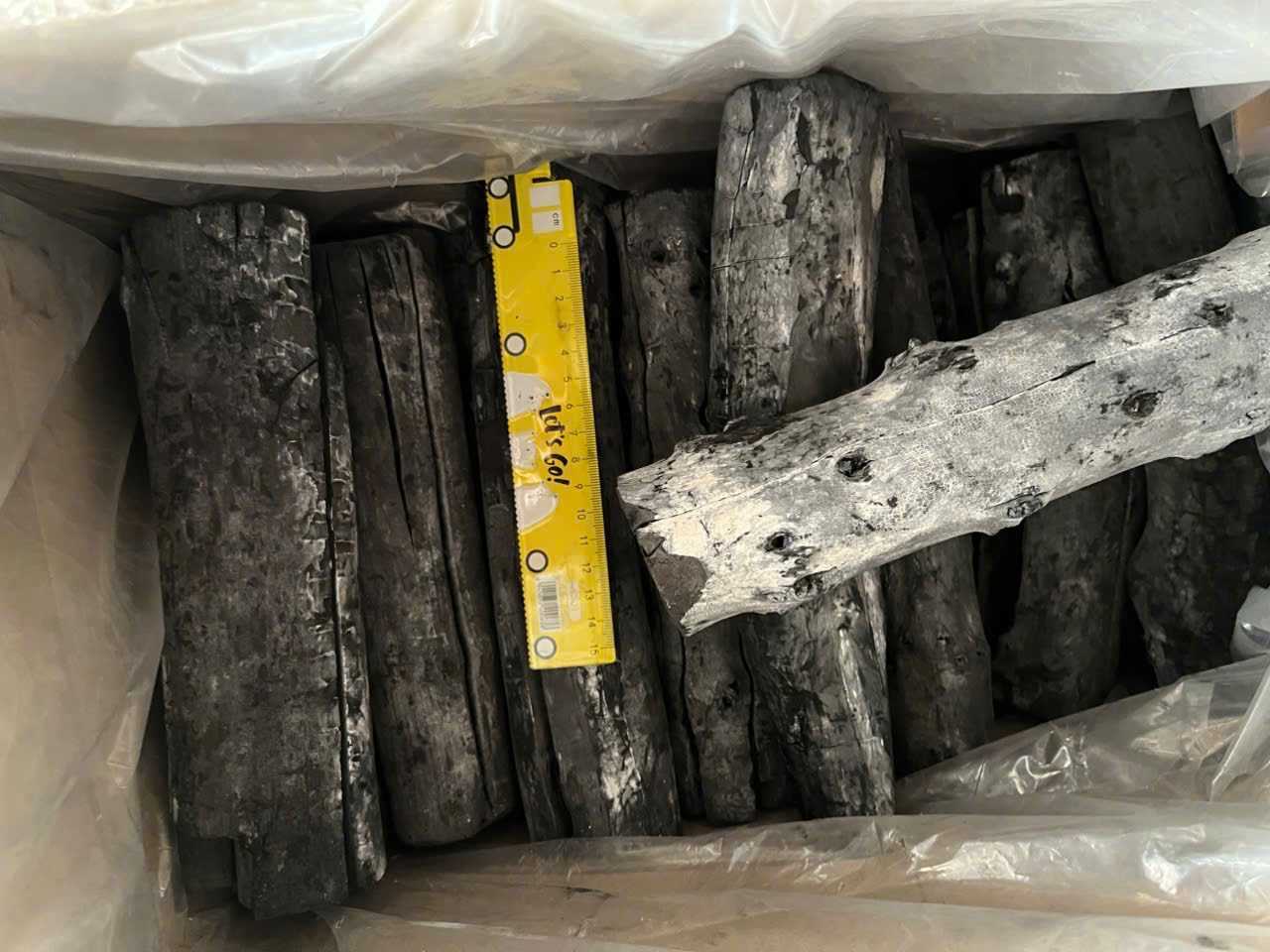
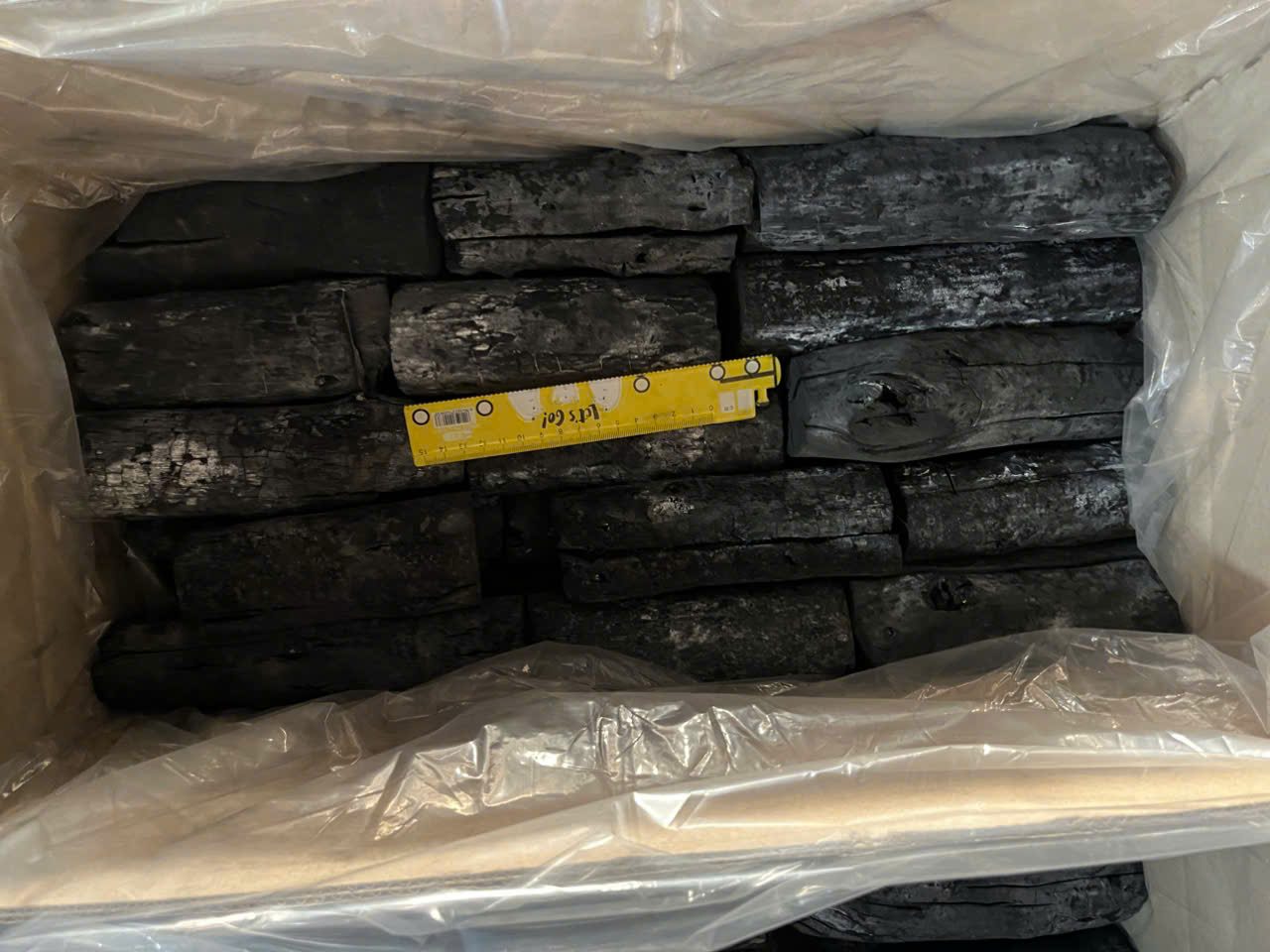
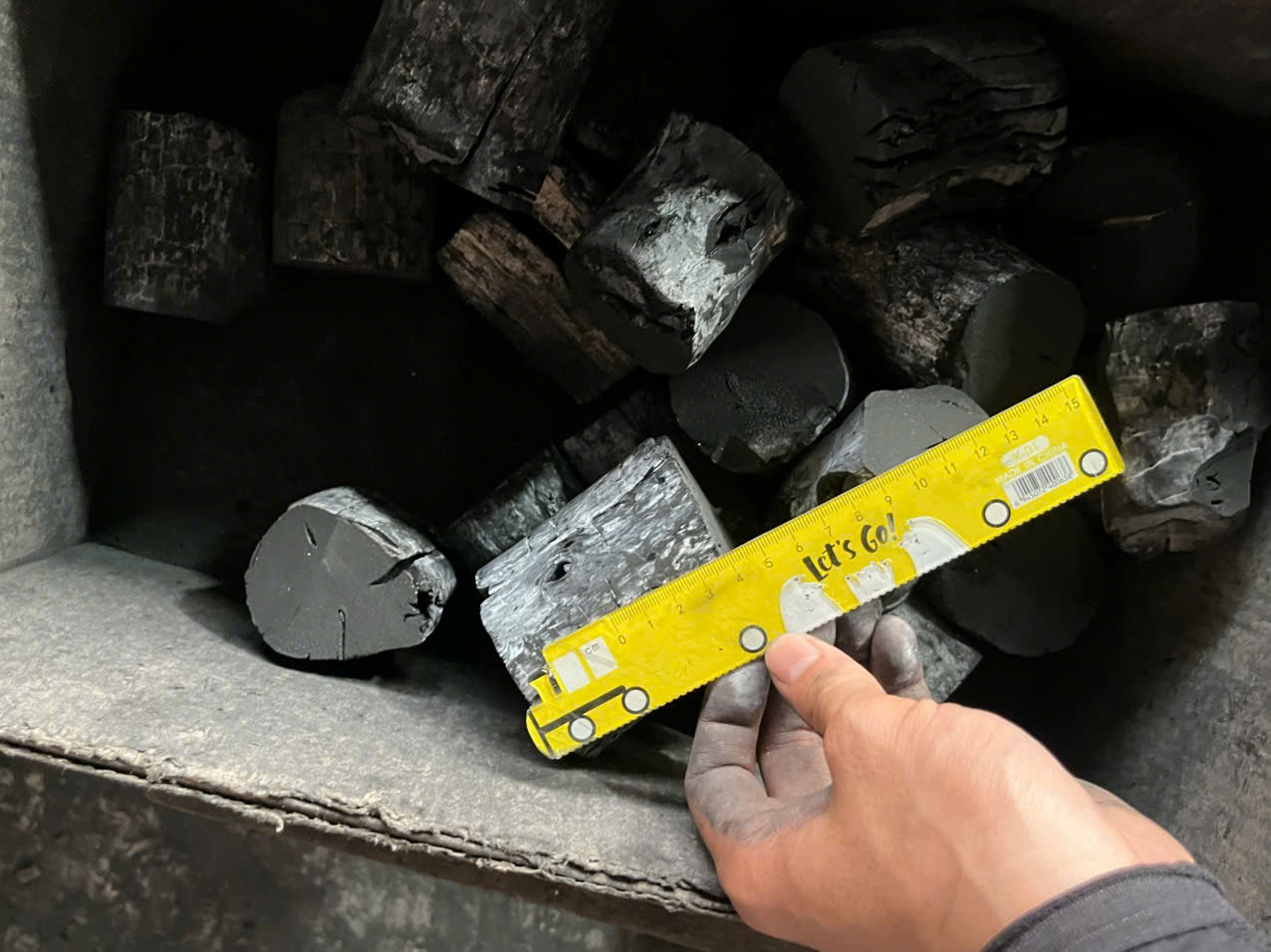
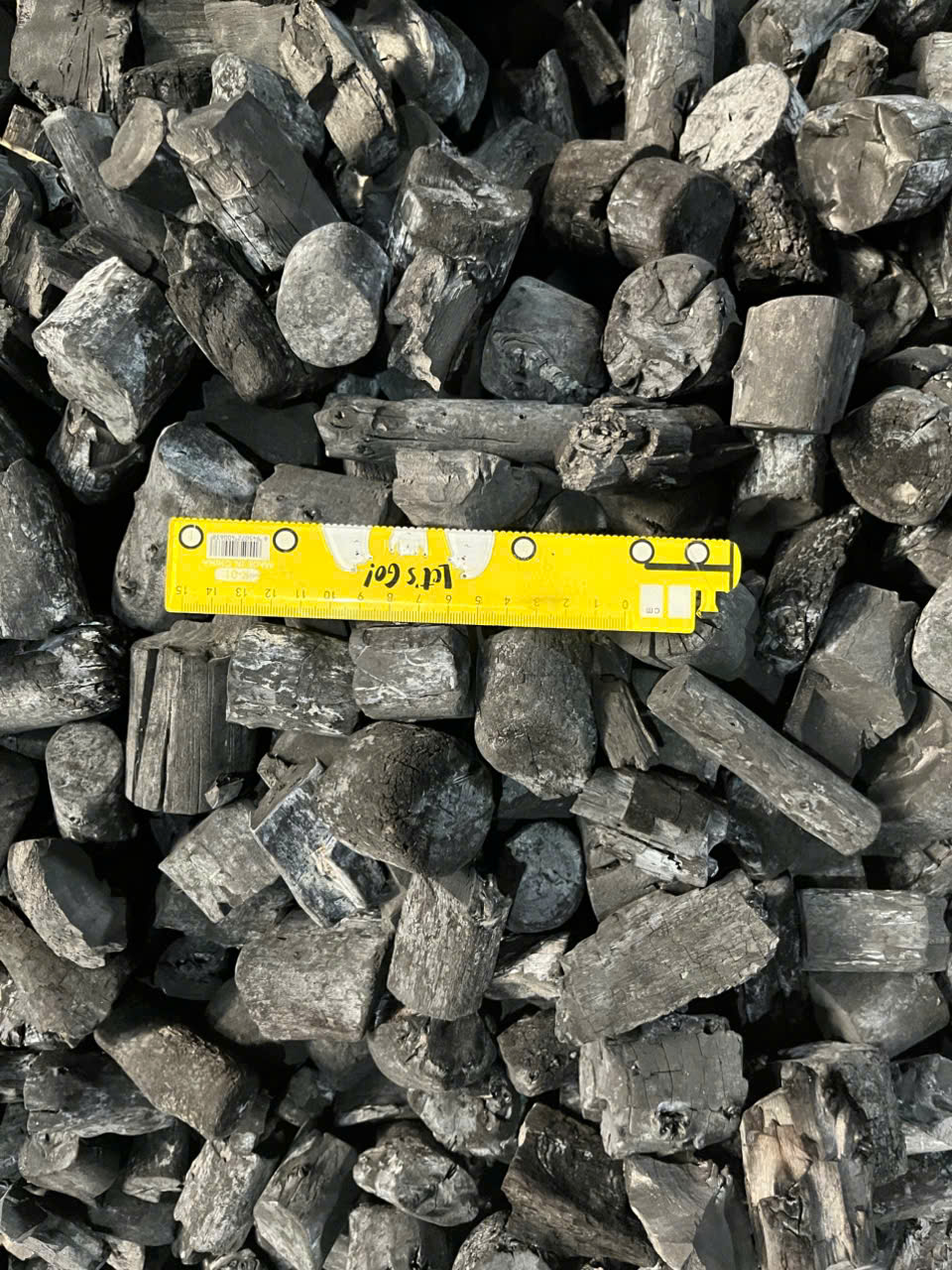
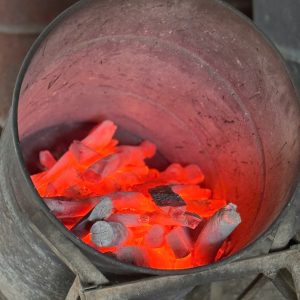
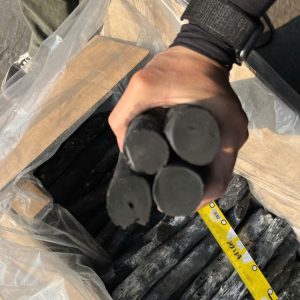
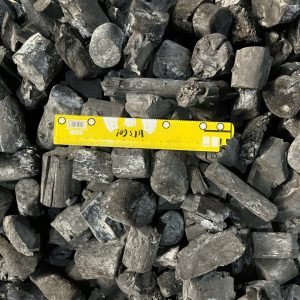
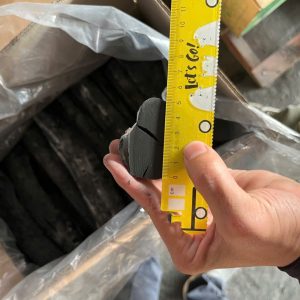
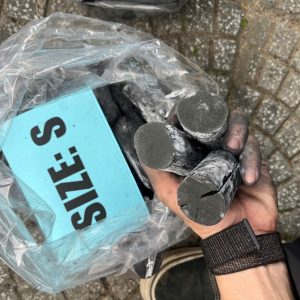
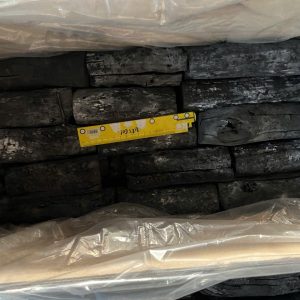
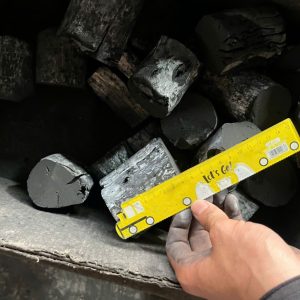
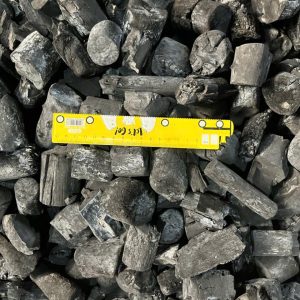
How is Binchotan White Charcoal Made?
Below is a detailed description of the Japanese Binchotan white charcoal production technology process.
1. Preparation
- Fresh wood is cut into short pieces, which may or may not be split further before being placed into the kiln.
In Northern Vietnam, the main raw materials used for white charcoal production include longan, lychee, and eucalyptus wood (only the twisted eucalyptus yields the best quality), primarily sourced from Vinh Phuc, Bac Giang, Tuyen Quang, and Lang Son provinces.
In other regions such as the Central and Southern parts, raw materials may include coffee wood, maitiew, ironwood, and mangrove. - During the carbonization process, the kiln door is sealed with bricks and clay, leaving only small holes for air and smoke to escape.
There is usually a main door for loading wood and a separate heating chamber built with fireproof materials. - The diagram below illustrates the general principle of biomass carbonization.
For white charcoal, the heating stage is slower, but the carbonization phase (Stage 5) lasts longer to raise the temperature above 1000°C — higher than typical sawdust charcoal (800–900°C).
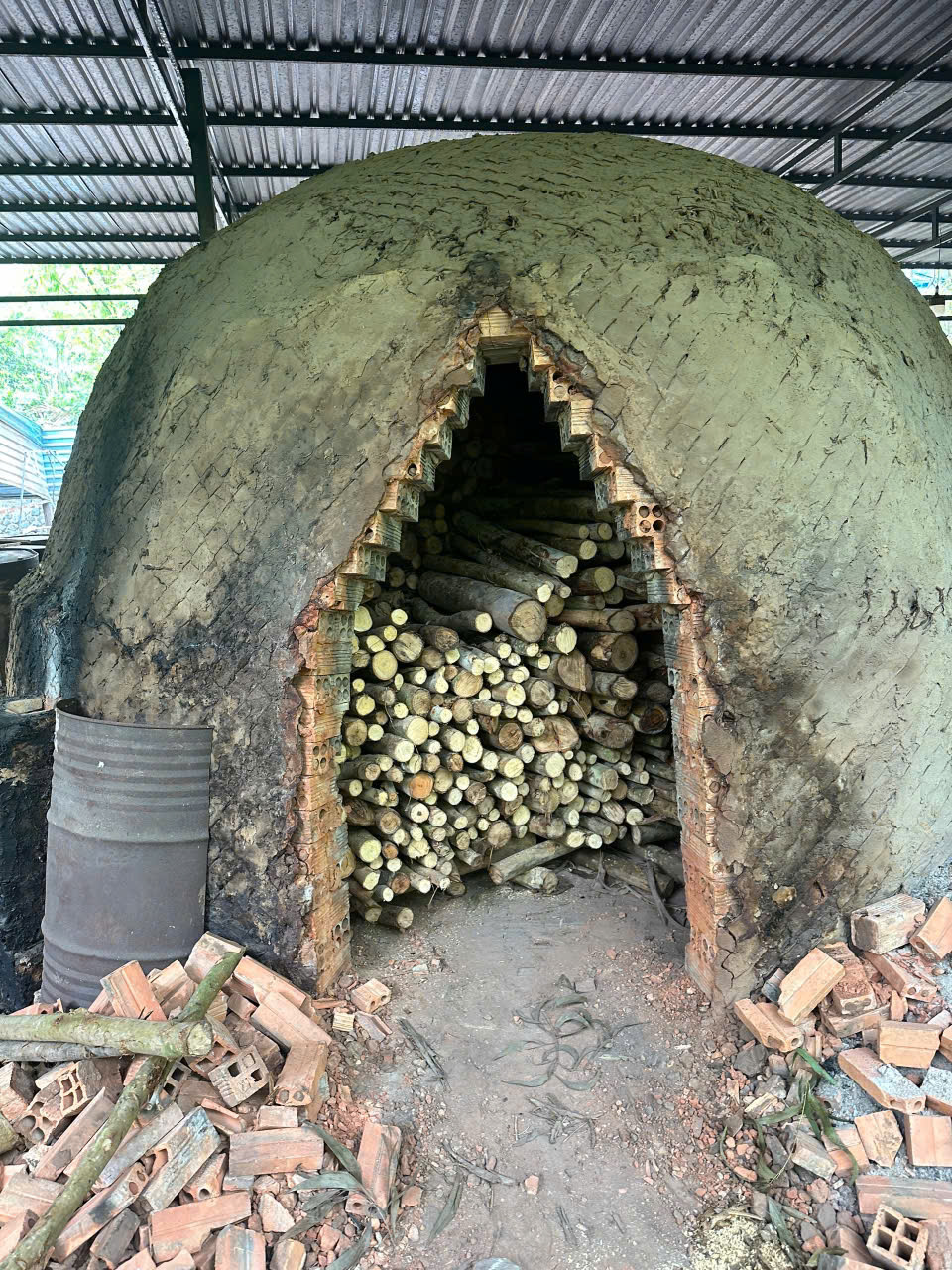
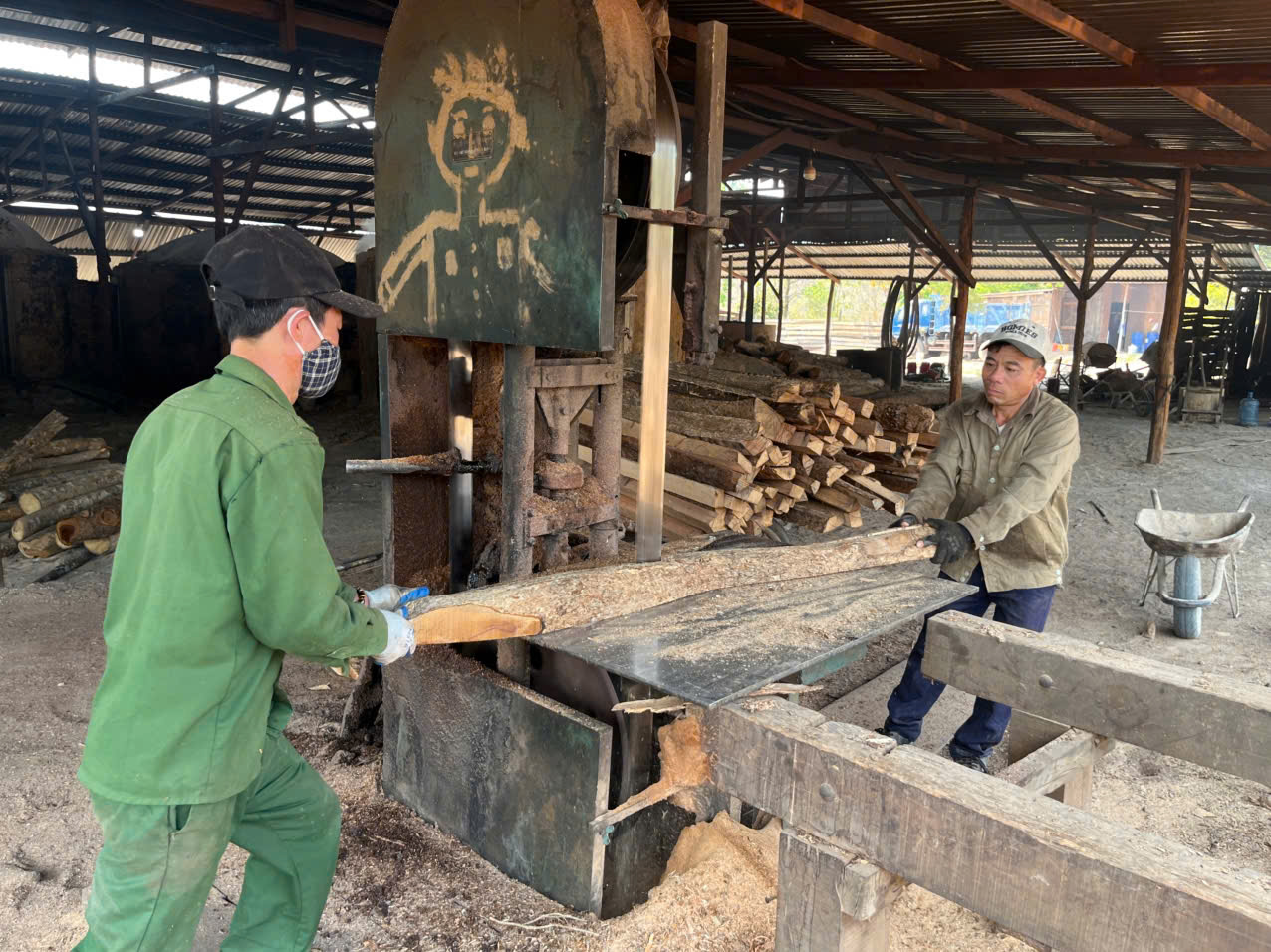
Collecting and cutting eucalyptus wood
Two Methods of Initial Heating
- There are two main methods to heat the kiln: direct heating — lighting the fire inside the kiln until strong enough, then sealing it;
or indirect heating — workers continuously burn firewood at the kiln mouth to direct heat and smoke inward. - This stage removes all moisture from the wood and breaks down cellulose, hemicellulose, and lignin through pyrolysis, forming pure carbon.
It also releases syngas (H₂, CₓHᵧ, steam, CO₂, CO) and by-products such as wood vinegar containing over 200 organic acids and tar.
Drying & Dehydration Stage
- After several days of heating (drying process), experienced kiln workers observe the wood.
Once it begins to ignite and burn, they seal the kiln completely for another 3–4 days, depending on the kiln size and wood quantity, to allow slow internal burning. - This step is crucial and requires skilled workers.
If the temperature is too low, the charcoal will be under-carbonized; if too high, it will burn to ash.
Workers monitor the flame color to adjust the temperature precisely.
Carbonization Stage (Charcoal Refining)
- When the smoke turns blue and disappears, the kiln is opened to allow oxygen in, raising the internal temperature to about 1200°C to increase the carbon content — this is the refining stage.
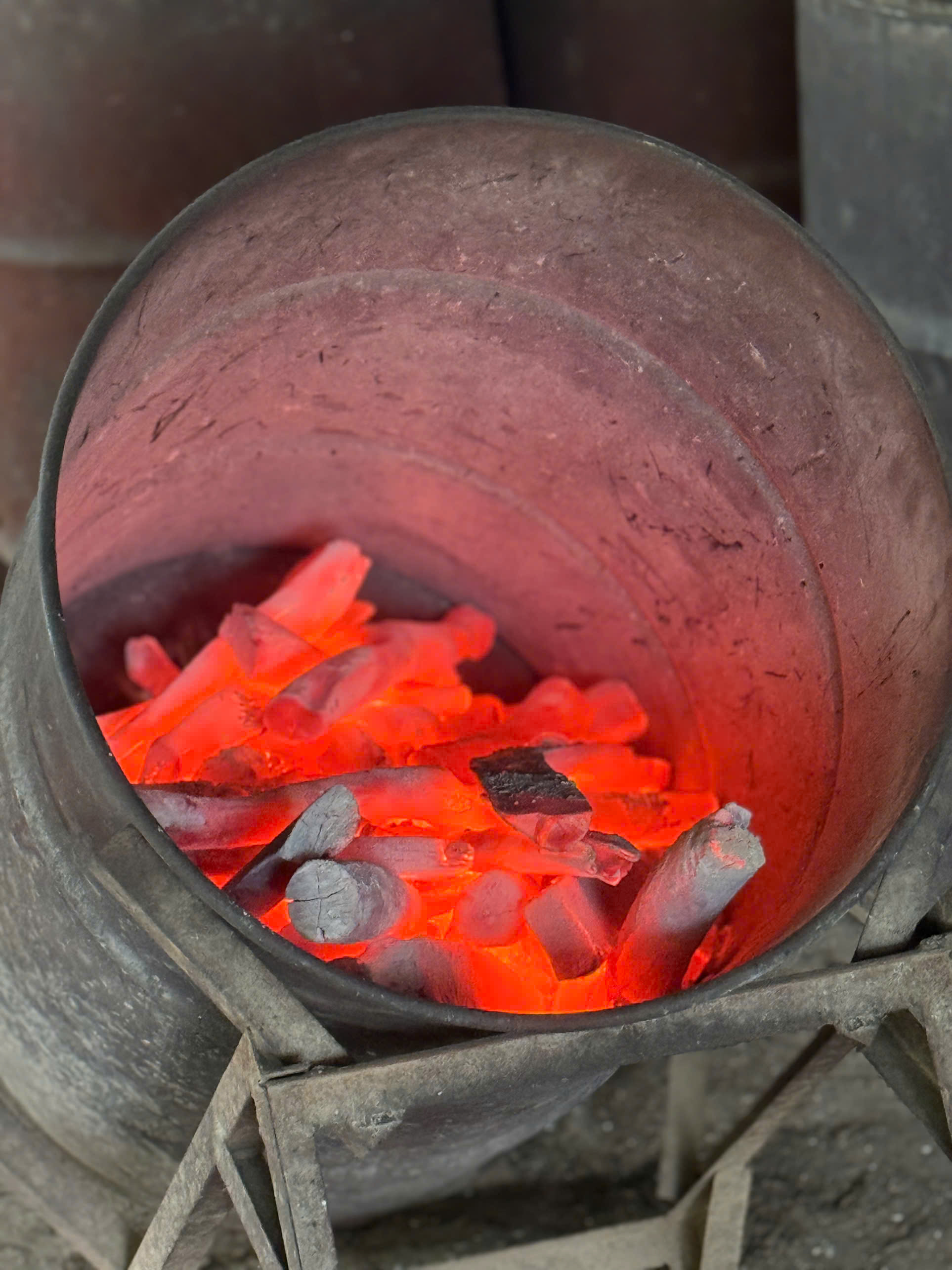
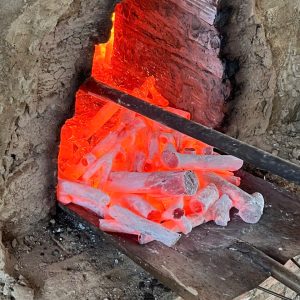
- Once the wood is fully carbonized, workers rake the red-hot charcoal out manually.
The heat can reach up to 100°C even several meters away, making this the toughest step — especially under the summer sun.
Visitors to white charcoal workshops can truly experience this extreme heat.
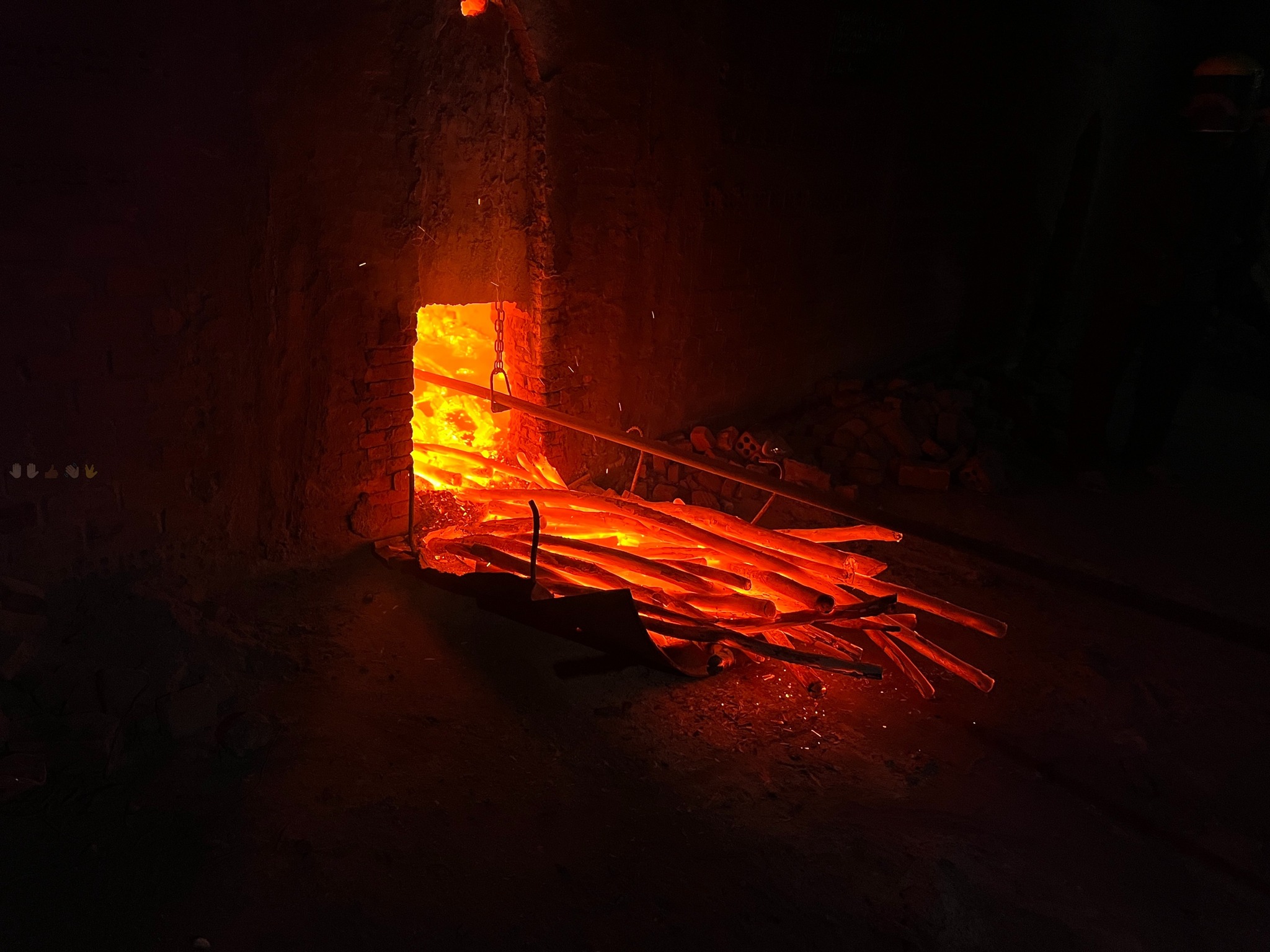
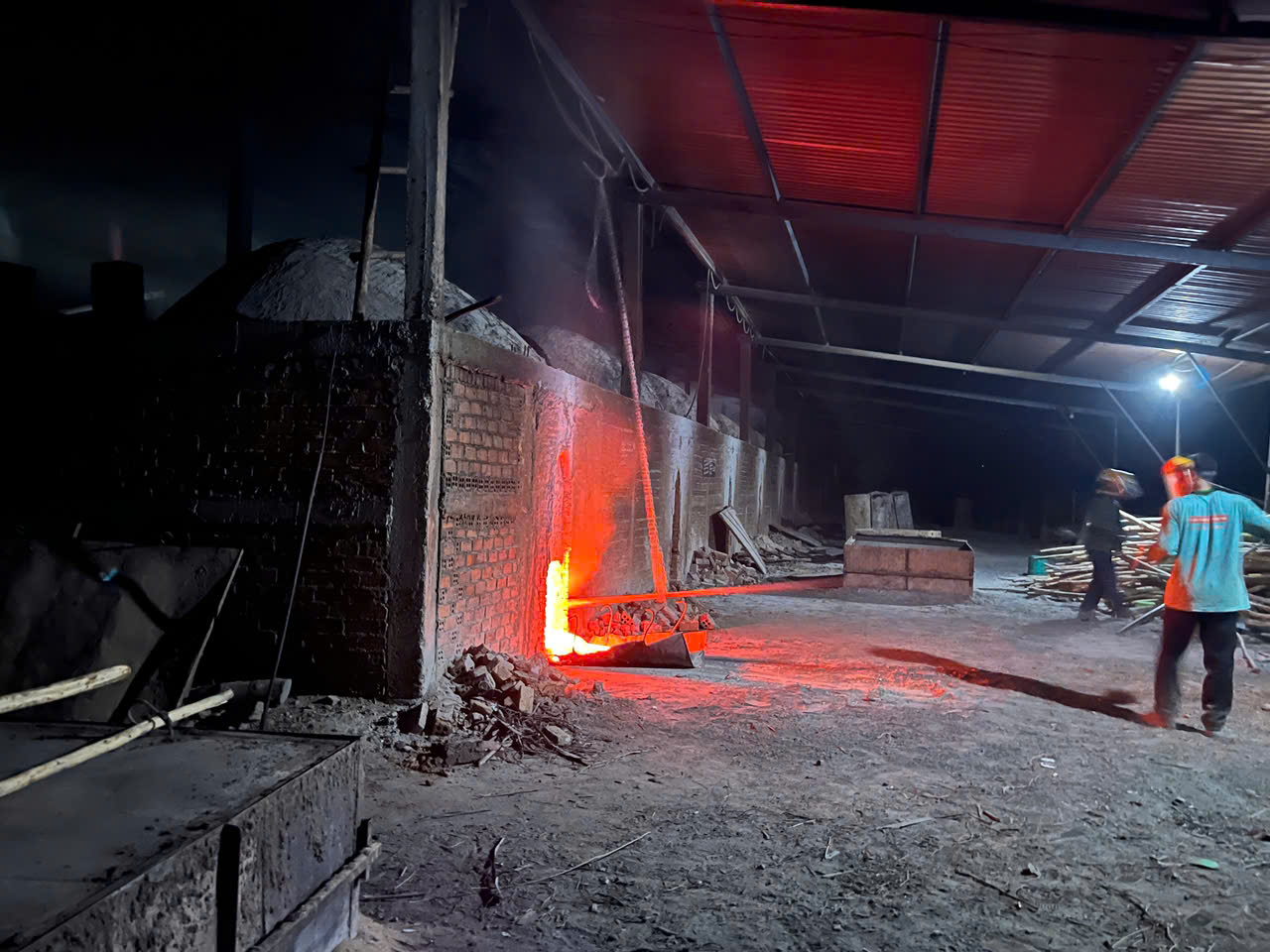
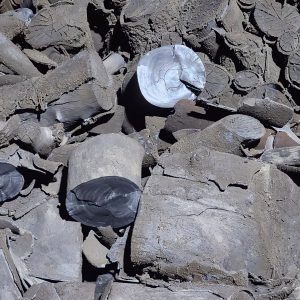
- The glowing charcoal is then buried in a mixture of sand, ash, and fine soil or sealed in iron barrels to cool completely.
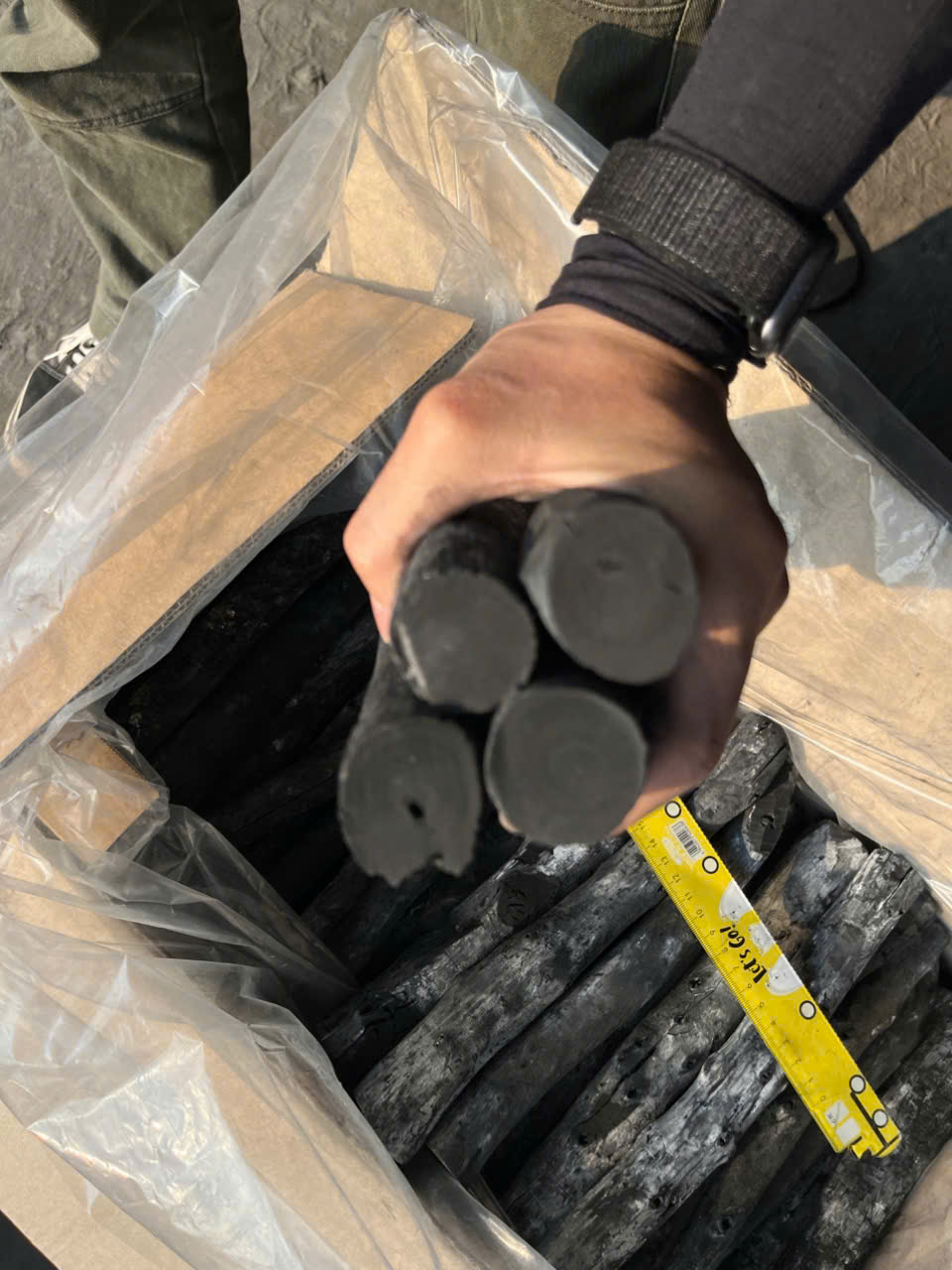
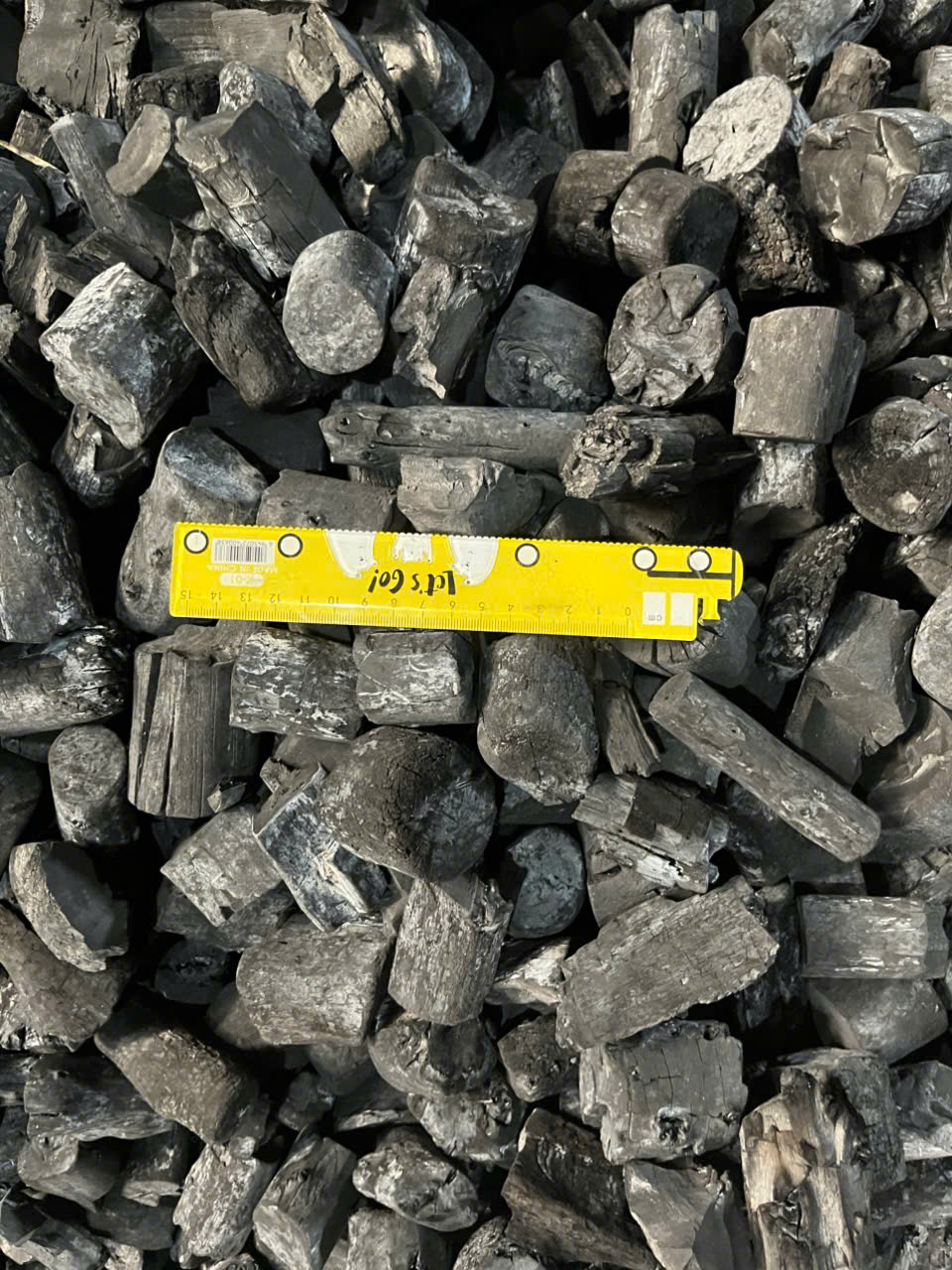
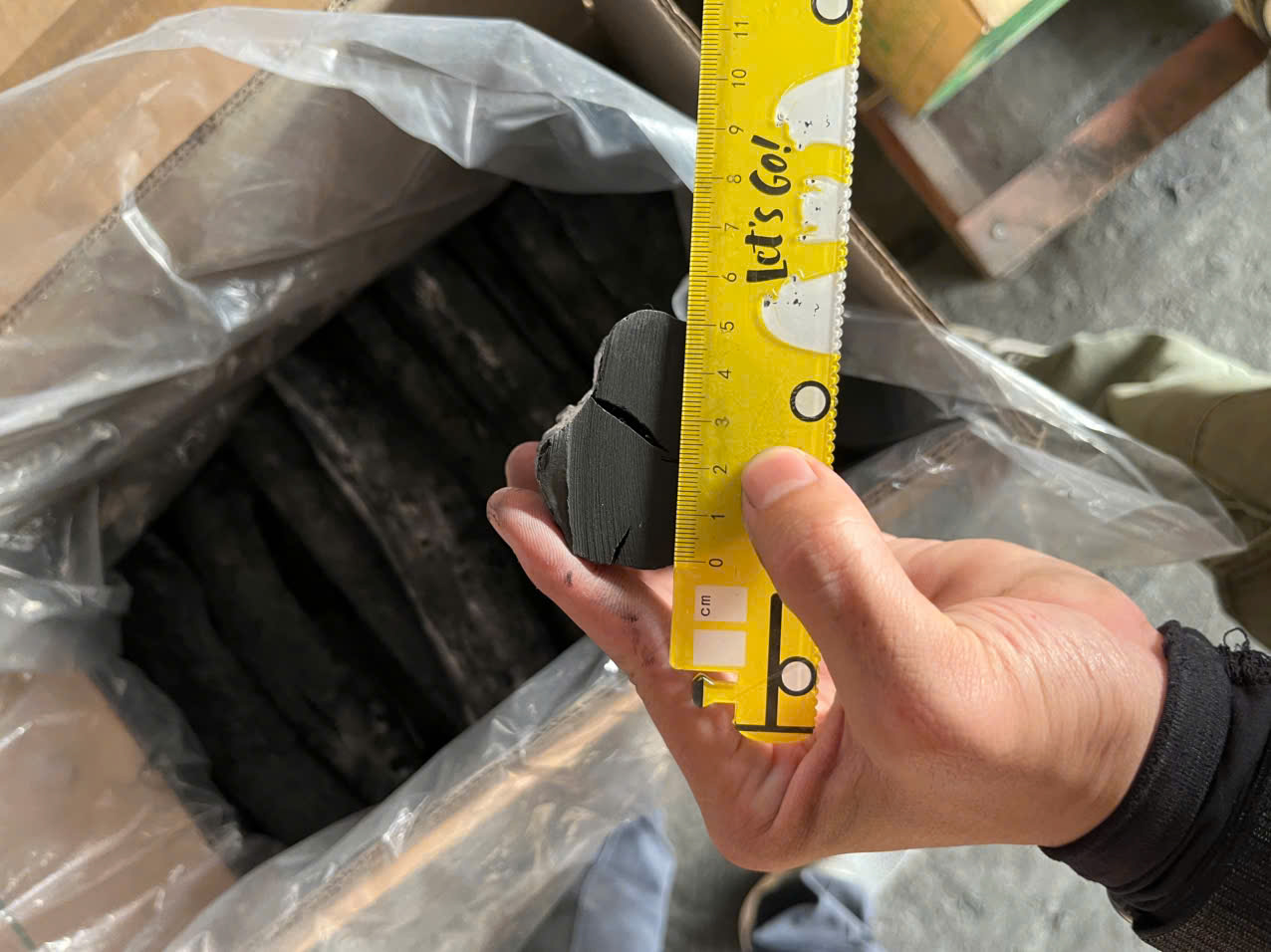
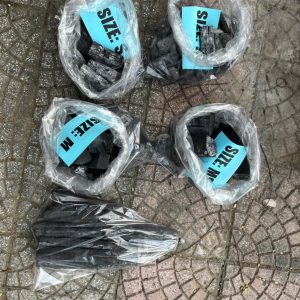
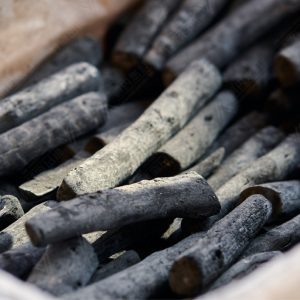
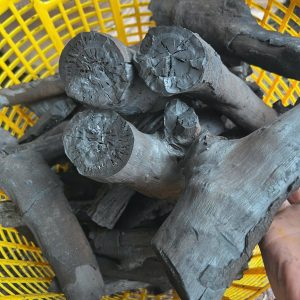
Once cooled, it is sorted and packaged for sale.
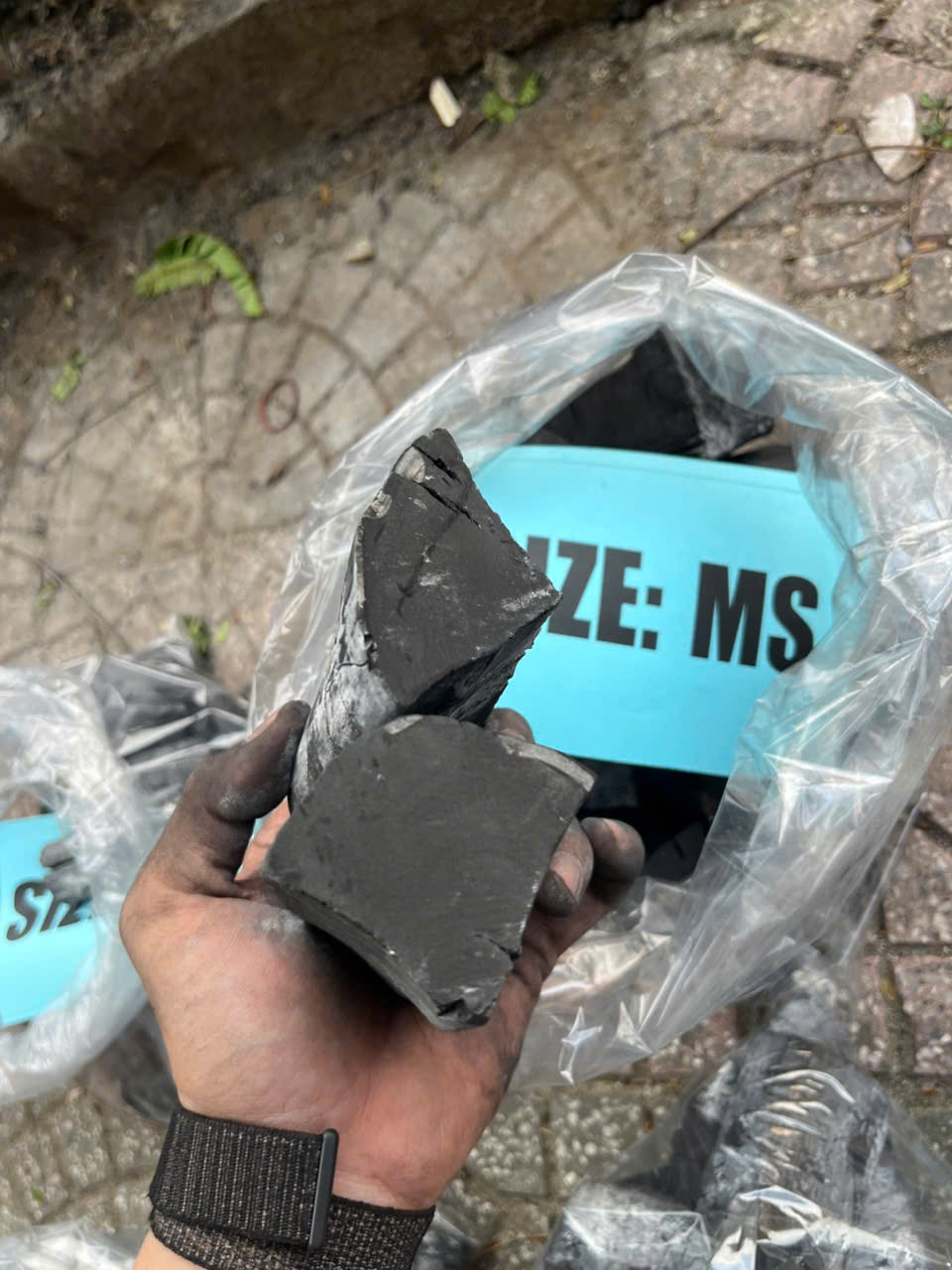
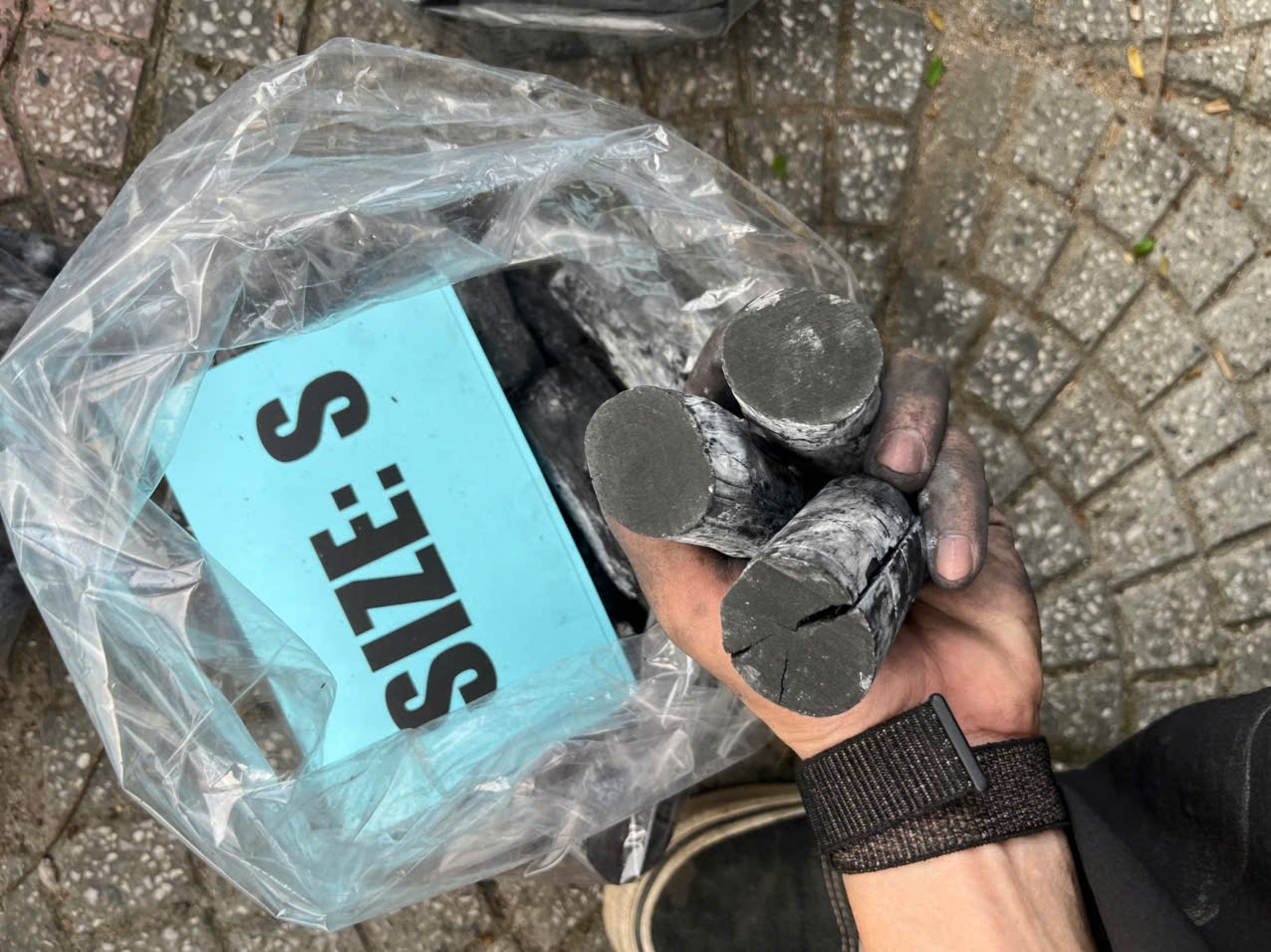
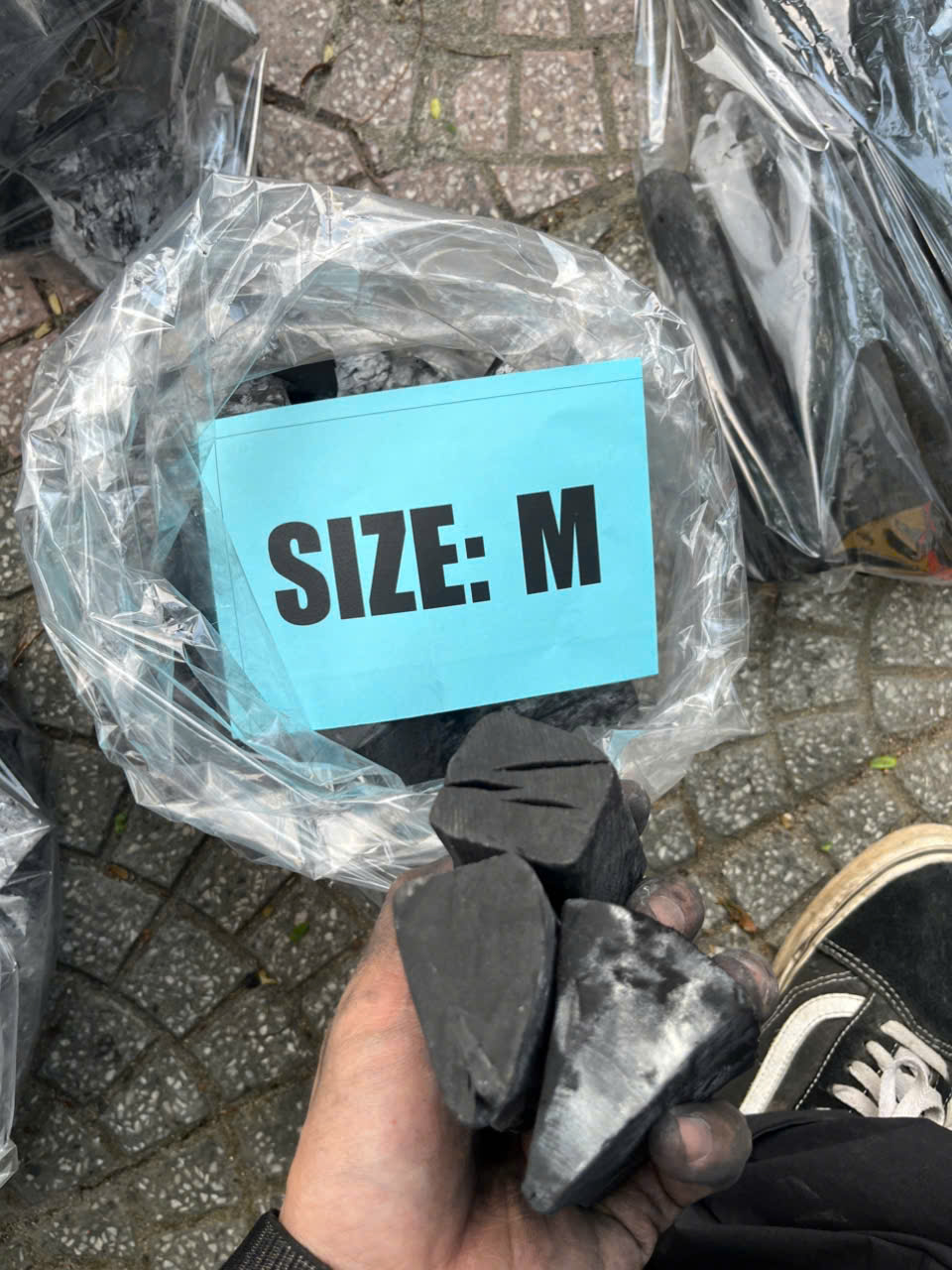
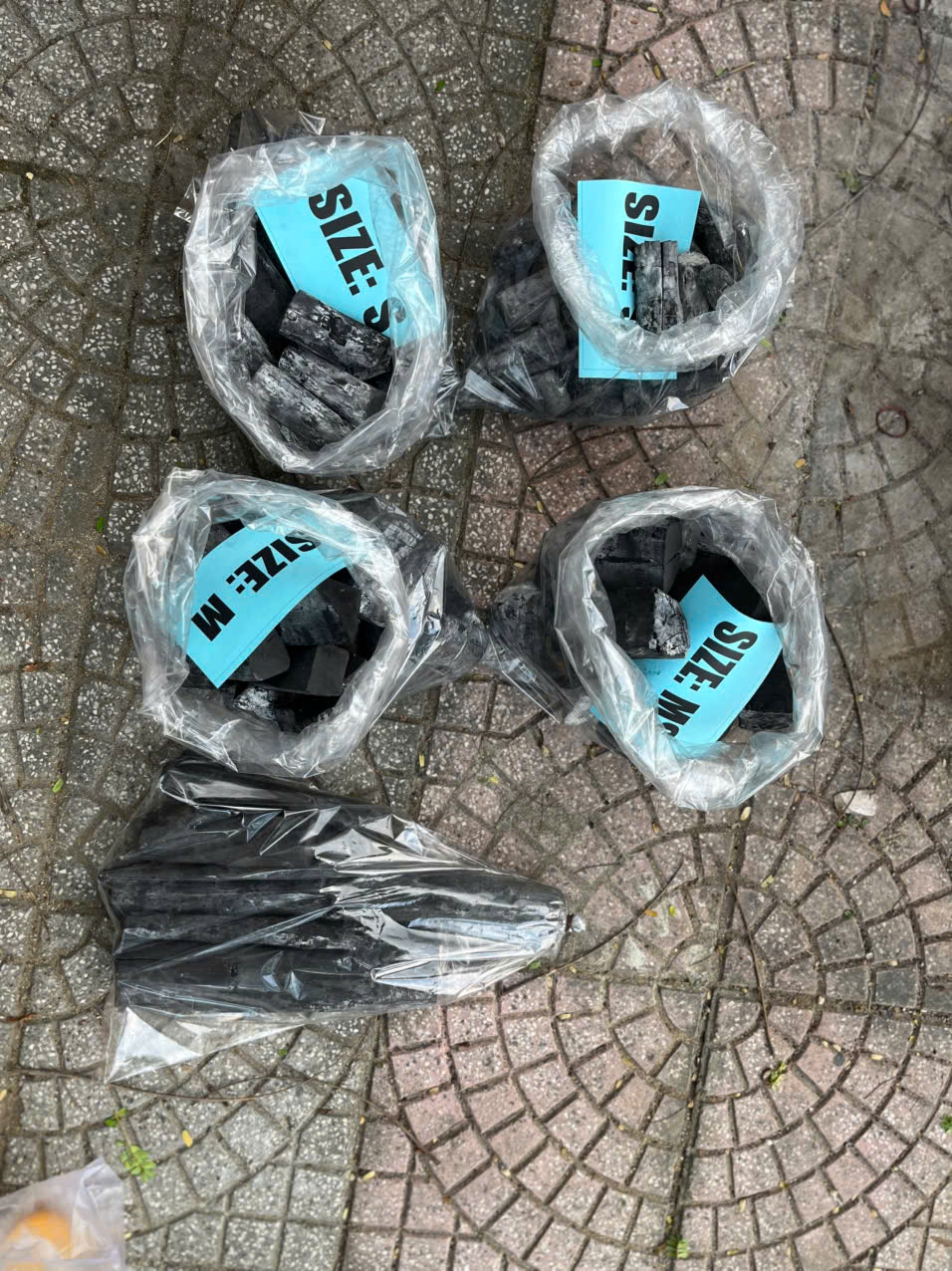
Technical Specifications of Binchotan White Charcoal
- Total calorific value: > 8000 kcal/kg
- Sulfur content: < 0.01%
- Carbon content: > 94%
- Ash content: < 2.5%
- Moisture: < 3%
- Burning time: 3 – 3.5 hours
- No smoke, no sparks, no dust when burning
- Charcoal must be completely dry and stored in sealed PE bags.
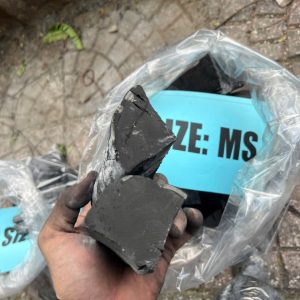
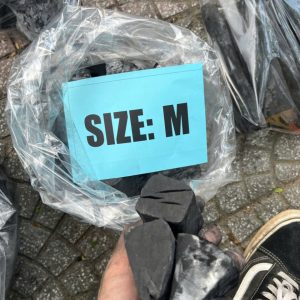
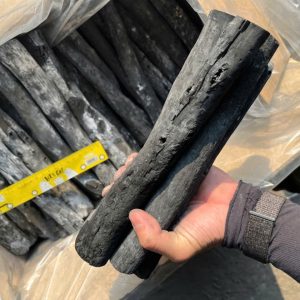
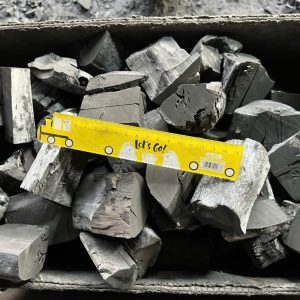
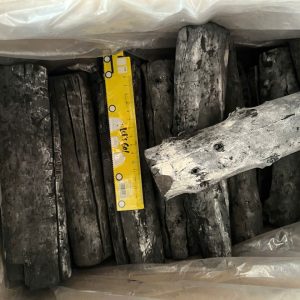
Common packaging sizes: 2kg, 5kg, 10kg, and 20kg master cartons (suitable for export to Japan, where 2kg packs are preferred for retail).
Preferred Markets for White Charcoal: Japan, South Korea, Europe, Australia, and the USA
Different export markets require specific size, moisture, and packaging standards.
Contact us today for detailed specifications and quotations.




Reviews
There are no reviews yet.